Are basketball shoes necessary for playing basketball? Yes, basketball shoes are essential for playing basketball because they offer specialized support, cushioning, and traction designed for the sport’s demands, helping to prevent injuries and improve performance.
When you step onto the basketball court, what’s the most important piece of gear you’re wearing? If you said your jersey or shorts, think again. While those are important for comfort and team spirit, your feet are your foundation. They’re what connect you to the hardwood, allowing you to sprint, jump, cut, and pivot with power. That’s where basketball sneakers come in. They aren’t just footwear; they are sophisticated pieces of performance footwear crafted to help you excel and stay safe.
Many people wonder why they can’t just wear their everyday running shoes or casual trainers for a game. The simple answer is that basketball is a unique sport with unique physical demands. Your feet take a beating. You’re constantly accelerating, decelerating, and changing direction. These movements put immense stress on your ankles, knees, and feet. Regular athletic trainers, while good for some activities, simply aren’t built for this kind of intense, multi-directional stress.
This is where dedicated court shoes shine. They are engineered from the ground up to address the specific needs of basketball players, from beginners to seasoned pros. Choosing the right pair can be the difference between a dominant performance and a trip to the sidelines with an injury. Let’s dive into why specialized basketball sneakers are not just a preference, but a necessity for anyone serious about the game.
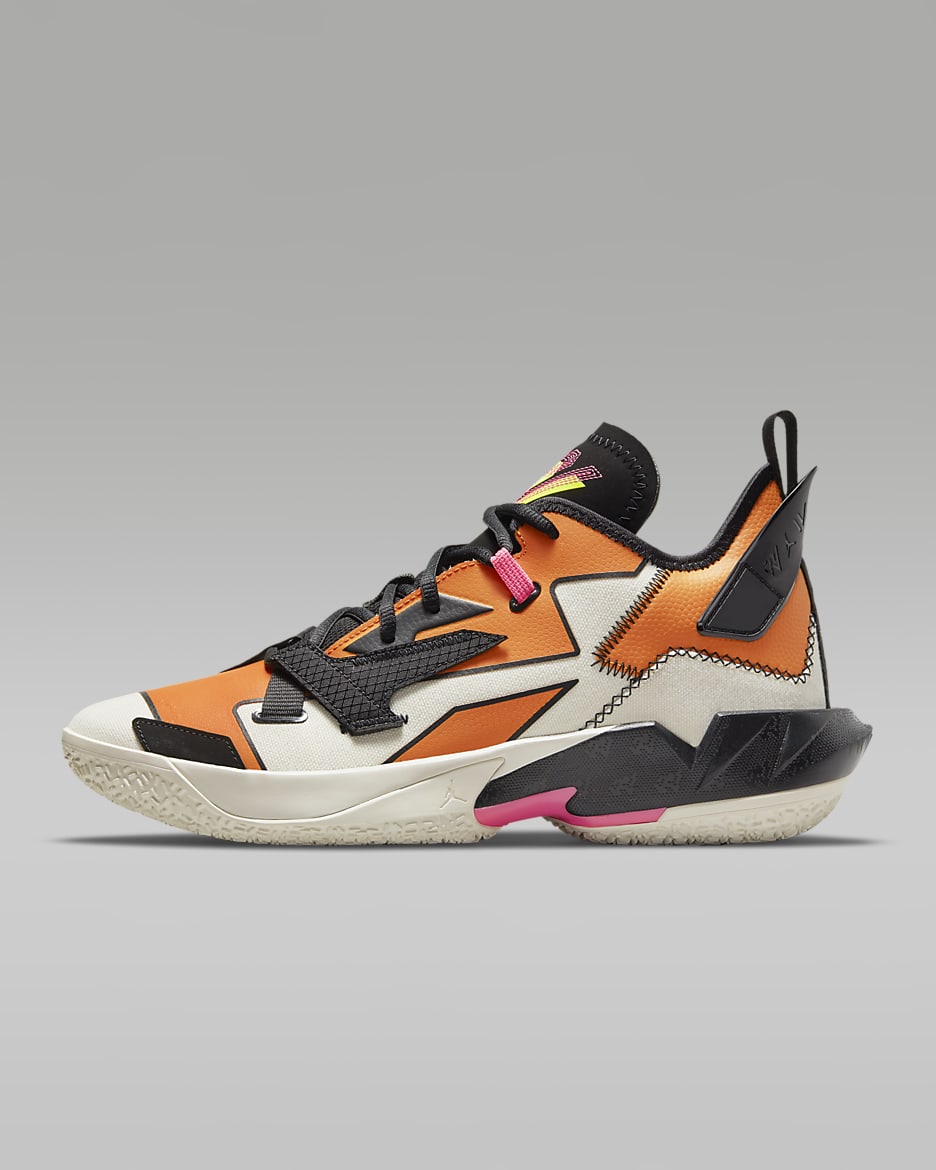
Image Source: static.nike.com
The Core Differences: Beyond Just Looking Good
It’s easy to get caught up in the aesthetics of basketball sneakers. The flashy colors, the iconic logos, the cool designs – they all play a part. But beneath the surface, there are fundamental design principles that set them apart from other types of athletic footwear.
1. Ankle Support: The Unsung Hero
One of the most critical features of basketball shoes is the level of ankle support they provide. Basketball involves a lot of lateral movements and sudden stops, which can easily lead to ankle sprains.
- High-Top Sneakers: Traditionally, high-top sneakers were the go-to for maximum ankle support. They extend above the ankle bone, offering a snug fit that helps lock your ankle in place, reducing the risk of rolling. While modern designs have evolved, the principle remains.
- Mid-Top Designs: Many contemporary basketball sneakers feature mid-top designs that offer a balance. They provide more support than low-tops but offer greater flexibility and a lighter feel than traditional high-tops.
- Internal Support Structures: Beyond the height of the shoe, designers incorporate internal structures and materials that wrap around the ankle and heel, providing stability without sacrificing comfort or mobility.
Running shoes, on the other hand, are designed for forward motion. They typically have a lower profile and less lateral reinforcement, meaning they offer very little protection against the side-to-side stresses common in basketball.
2. Grip Technology: Staying Planted
Every dribble, crossover, and drive to the basket relies on your ability to grip the court. Basketball sneakers feature specialized outsoles with unique tread patterns designed for exceptional traction.
- Herringbone Patterns: This is a classic and highly effective pattern. The “V” shapes allow for multi-directional grip, letting you push off in any direction and stop on a dime without slipping.
- Circular and Lobed Patterns: Some designs use circular or lobed patterns in key areas like the pivot points (under the ball of the foot) to enhance rotational movement.
- Durable Rubber Compounds: The rubber used in basketball outsoles is often specifically formulated for grip on indoor courts. It’s designed to be sticky enough to prevent slips but durable enough to withstand the abrasion of constant movement.
Compare this to the outsoles of running shoes. They are typically designed for straight-line traction and may have shallower treads or different rubber compositions. They’re optimized for grip on roads or treadmills, not the dynamic demands of a basketball court.
3. Cushioning System: Absorbing the Impact
Basketball is a high-impact sport. Every jump, every landing sends shockwaves through your body. A good cushioning system is vital for absorbing this impact, protecting your joints, and keeping you comfortable throughout the game.
- Midsole Materials: Basketball shoes often use advanced foam technologies (like EVA or proprietary foams) in the midsole. These materials are designed to be responsive – absorbing shock on impact and then returning energy to help you spring back up.
- Forefoot and Heel Cushioning: Many basketball sneakers have targeted cushioning. More cushioning is often placed in the heel to absorb landing forces from jumps, while the forefoot cushioning helps with explosive take-offs.
- Encapsulated Air or Gel: Some shoes incorporate air units or gel pockets in the midsole to further enhance shock absorption and provide a more responsive feel.
Running shoes also have cushioning, but their focus is often on cushioning for consistent, forward motion over longer distances. The type and placement of cushioning might be different, prioritizing impact protection during linear strides rather than the explosive, multi-directional forces encountered in basketball.
4. Lightweight Design: Agility and Speed
While support and cushioning are paramount, lightweight basketball shoes also play a crucial role in performance. Being light on your feet allows for quicker movements, faster sprints, and higher jumps.
- Material Innovation: Modern basketball sneakers utilize advanced, lightweight materials in the upper and midsole. Mesh, synthetic leathers, and engineered knits contribute to a reduced overall weight without compromising durability or support.
- Streamlined Construction: Designers focus on removing unnecessary bulk. This means careful construction of the shoe’s silhouette and a focus on materials that offer the necessary support with minimal weight.
Heavy or bulky shoes can feel like anchors, slowing you down and making you work harder. While some players prefer the robust feel of a heavier shoe for maximum support, the trend is towards lighter, more agile designs.
5. Durability: Withstanding the Grind
The constant friction, stress, and impact on a basketball court can wear out shoes quickly. Durable basketball shoes are built to last, ensuring your investment continues to provide the support and performance you need game after game.
- Reinforced Uppers: Key areas of the upper, like the toe box and sides, are often reinforced with more robust materials or stitching to prevent tearing and abrasion from toe drags or lateral slides.
- Strong Outsole Compounds: As mentioned earlier, the rubber compounds are chosen for their wear resistance on court surfaces.
- Quality Construction: The overall stitching and bonding of the shoe’s components are crucial for longevity. High-quality performance footwear will have well-executed seams and durable adhesives.
Running shoes, designed for less abrasive surfaces and straighter movements, might not have the same level of reinforcement in areas that experience the most wear and tear in basketball.
Can I Wear Running Shoes for Basketball? The Risks
The short answer is: You can, but you shouldn’t if you want to play your best and stay injury-free.
Here’s a breakdown of why using running shoes on the basketball court is a bad idea:
- Increased Risk of Ankle Injury: Running shoes lack the lateral support and stability needed to prevent your ankle from rolling during quick cuts or landings. This is a primary reason for ankle sprains in basketball.
- Poor Traction: The outsole of a running shoe is not designed for the multi-directional movements of basketball. You’ll likely experience slippage, especially when making sharp turns or sudden stops, which can lead to falls and missed opportunities.
- Inadequate Cushioning for Impact: While running shoes have cushioning, it’s optimized for the repetitive impact of linear motion. Basketball involves much higher, more varied impact forces from jumping and landing. Running shoes may not provide sufficient shock absorption, leading to foot, ankle, and knee pain.
- Lack of Support for Pivoting: Basketball requires constant pivoting. Running shoes don’t offer the torsional stability or support in the midfoot needed for these movements, potentially leading to foot strain or arch pain.
- Reduced Performance: Without the proper grip, support, and responsiveness, you simply won’t be able to perform at your peak. Your movements will be less explosive, your cuts less sharp, and your ability to change direction compromised.
Think of it like this: Would you use a screwdriver to hammer a nail? Both are tools, but they are designed for different jobs. Using the wrong tool can lead to poor results and potential damage.
What to Look For in Basketball Sneakers: A Buyer’s Guide
So, you’re convinced you need proper basketball sneakers. But with so many options, how do you choose? Here are key factors to consider:
1. Player Position and Style
Different positions and playing styles require different types of support.
- Guards: Often need lightweight basketball shoes with excellent ankle mobility for quick, shifty movements and sharp cuts. Good court feel and responsiveness are key. Mid-tops or supportive low-tops are common.
- Forwards: May need a balance of support, cushioning, and flexibility. They do a lot of driving to the basket and can benefit from shoes that offer good impact absorption and lateral stability. Mid-tops or supportive high-tops are popular.
- Centers/Bigs: Generally need maximum ankle support and robust cushioning to handle the physical play, post-ups, and jumping. High-top sneakers or very supportive mid-tops are often preferred, along with durable construction.
2. Fit: The Foundation of Performance
A perfect fit is non-negotiable. Ill-fitting shoes can cause blisters, discomfort, and even injuries.
- Snug Heel: Your heel should feel locked in, with minimal slippage when you walk or move.
- Comfortable Toe Box: There should be about a thumb’s width of space between your longest toe and the end of the shoe. Your toes shouldn’t feel cramped.
- Midfoot Support: The shoe should feel snug and supportive around your arch, without being constricting.
- Try Before You Buy: Always try on basketball sneakers before purchasing. Wear the type of socks you typically play in. Walk around, do a few light movements (like a quick jog or jump), and see how they feel.
3. Cushioning Preferences
Cushioning is subjective. Some players prefer a plush, soft feel, while others like a firmer, more responsive ride.
- Soft Cushioning: Provides maximum shock absorption, ideal for players who jump a lot or have joint issues. May feel less responsive.
- Firm Cushioning: Offers better court feel and responsiveness, allowing for quicker movements and explosive take-offs. May not absorb impact as much.
- Balanced Cushioning: Many modern shoes aim for a blend, offering good impact protection with decent responsiveness.
4. Traction Needs
This is largely dictated by the court surface.
- Indoor Courts: Most basketball sneakers are designed for indoor hardwood. Herringbone and multi-directional patterns are excellent.
- Outdoor Courts: If you play outdoors, look for shoes with more durable rubber outsoles and deeper tread patterns that can withstand the rougher surfaces. However, even specialized outdoor basketball shoes won’t perform as well on hardwood as dedicated indoor shoes.
5. Material and Breathability
The upper materials affect the shoe’s weight, durability, and breathability.
- Mesh and Knit Uppers: Offer excellent breathability and are often very lightweight, providing a sock-like fit. They can sometimes be less durable than other materials.
- Synthetic Leathers: Provide good support and durability. They can sometimes be less breathable than mesh.
- Leather Uppers: Offer premium durability and support but can be heavier and less breathable.
The Evolution of Basketball Footwear: A Look at Innovation
The design of basketball sneakers has come a long way. Gone are the days of simple canvas shoes. Today’s performance footwear is a marvel of engineering.
| Feature | Early Basketball Shoes | Modern Basketball Shoes |
|---|---|---|
| Ankle Support | Basic high-tops, canvas construction. | Advanced mid-tops, high-tops with internal support, dynamic lacing. |
| Cushioning | Minimal to none. Felt much of the impact. | Advanced foams (EVA, PU), encapsulated air/gel, responsive tech. |
| Traction | Basic rubber soles, often smooth. | Sophisticated tread patterns (herringbone, radial), sticky rubber compounds. |
| Materials | Canvas, basic leather. | Engineered meshes, synthetics, Flyknit/Primeknit, carbon fiber elements. |
| Weight | Often bulky and heavy. | Focused on lightweight basketball shoes without sacrificing support. |
| Durability | Wore out relatively quickly. | Enhanced with reinforced areas, stronger materials, better construction. |
| Energy Return | Little to none. | Engineered to return energy with each step and jump. |
Addressing Common Misconceptions
- “I’m not a professional, so I don’t need special shoes.” Injury prevention and performance enhancement are important for players of all levels. A sprained ankle can sideline you for weeks, regardless of whether you’re in the NBA or playing pickup games.
- “Basketball shoes are too expensive.” While premium performance footwear can be costly, there are many excellent mid-range options available. Investing in a good pair is an investment in your health and your game. Consider the cost of potential injuries versus the cost of proper footwear.
- “My old running shoes are fine.” As we’ve discussed, the differences are significant. Relying on old or inappropriate shoes is a recipe for disaster on the court.
Why Not Basketball Shoes: Reimagining Your Game
The question “Why not basketball shoes?” should really be “Why would you play without them?”
When you lace up a pair of dedicated basketball sneakers, you are equipping yourself with the tools necessary to:
- Move with confidence: Knowing your feet are supported allows you to make bolder cuts and drives.
- Jump higher and land softer: Enhanced cushioning protects your body and can improve your vertical.
- Change direction instantly: Superior grip technology means you won’t slip when you need to plant and pivot.
- Play longer and with less fatigue: Proper support and cushioning reduce strain on your feet and legs.
- Reduce the risk of injury: This is perhaps the most crucial benefit. Preventing sprains, strains, and impact-related pain allows you to stay on the court and enjoy the game.
Basketball sneakers are not just about fashion; they are about function, safety, and maximizing your potential. They are an integral part of your athletic arsenal, designed to help you dominate the court by providing the precise blend of support, responsiveness, and traction that the game demands. Don’t let subpar footwear hold you back or put you at unnecessary risk. Choose wisely, and let your feet propel you to victory.
Frequently Asked Questions (FAQ)
Q1: How often should I replace my basketball shoes?
A1: This depends on how often you play and the materials of your shoes, but generally, you should consider replacing them every 6-12 months if you play regularly. Signs they need replacing include worn-out tread, flattened cushioning, and visible damage to the upper or sole.
Q2: Can I wear basketball shoes for other sports?
A2: While some basketball sneakers might offer decent support for activities like volleyball or indoor tennis, they are not ideal for sports with different demands. Running shoes are for running, cross-trainers for gym work, and basketball shoes are specifically for basketball. Using them for other sports can lead to premature wear or inadequate support and performance for that activity.
Q3: What does “court feel” mean in basketball shoes?
A3: “Court feel” refers to how connected your feet feel to the playing surface. Shoes with good court feel allow you to sense the ground beneath you, which is crucial for quick adjustments and precise movements. This is often achieved with lower-profile cushioning and a more flexible sole.
Q4: Are high-top sneakers always better for ankle support?
A4: Not necessarily. While high-top sneakers offer more coverage, modern mid-top designs with advanced internal support structures can provide comparable or even superior ankle support without the bulk or restriction of traditional high-tops. It often comes down to the specific shoe’s design and how well it fits your ankle.
Q5: How important is breathability in basketball shoes?
A5: Breathability is very important. Your feet sweat a lot during intense activity. Good breathability helps to wick away moisture, keeping your feet cooler and more comfortable, and reducing the risk of blisters and foot odor. Look for shoes with mesh or knit uppers for better airflow.