Women’s college basketball plays in quarters, not halves. This change was implemented to align with international basketball rules and to offer more strategic breaks within the game.
For decades, college basketball, both men’s and women’s, followed a familiar rhythm: two 20-minute halves. This structure was a staple, a comfortable cadence that fans and players alike grew accustomed to. However, in recent years, a significant shift has occurred in the women’s college basketball format. Now, NCAA Division I women’s basketball quarters are the standard. This transformation, while seemingly subtle, carries profound implications for NCAA women’s basketball game structure and the overall basketball game timing women’s college. So, why did this change happen? What are the reasons for quarters in women’s college basketball? Let’s delve into the specifics and explore the impact of these changes to women’s college basketball rules.
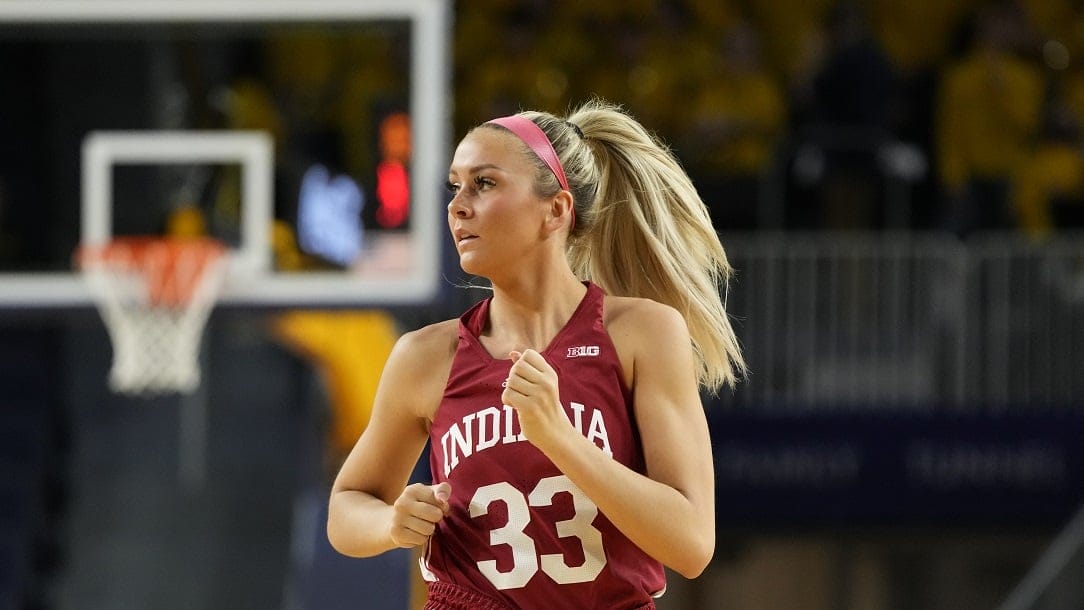
Image Source: ekcfbmsotzc.exactdn.com
The Global Shift: Aligning with International Standards
One of the primary drivers behind the adoption of quarters in women’s college basketball was a desire to harmonize with international basketball rules. FIBA (Fédération Internationale de Basketball), the international governing body for basketball, has long utilized a quarter-based system for its competitions, including the Olympics and World Cups.
Why International Basketball Uses Quarters
International basketball adopted quarters for several key reasons that eventually influenced collegiate play:
- Increased Strategic Opportunities: Quarters provide more natural breaks in the game. This allows coaches to regroup, make adjustments, and implement specific strategies for short bursts of play. In a half, the momentum can shift dramatically between long stretches of action. Quarters break this up, offering more frequent opportunities for tactical intervention.
- Enhanced Spectator Engagement: More frequent breaks can also translate to more engaging viewing experiences for fans. These breaks can be used for timeouts, commercial advertisements, and in-game entertainment, keeping the audience engaged throughout the contest.
- Player Management: For international tournaments that can involve multiple games in a short period, quarters can offer a slightly better framework for managing player fatigue. While the total game time remains the same, the structured breaks can be beneficial.
The NCAA’s Move Towards Standardization
As women’s basketball grew in popularity and sought greater international recognition, aligning its rules with global standards became increasingly important. The NCAA’s decision to move to quarters in women’s college basketball was a significant step in this direction. It meant that players and coaches involved in both college and international play would experience a more consistent game structure. This also aids in the development of players who aspire to compete at the professional or international level, as they are already familiar with the quarter system.
Strategic Advantages: Fostering Tactical Depth
The shift from halves to quarters significantly alters the strategic landscape of women’s college basketball game play. This is not merely a cosmetic change; it fundamentally impacts how teams approach the game from a tactical standpoint.
The Impact of Shorter Periods
The NCAA women’s basketball period length is 10 minutes per quarter. This shorter duration necessitates a different mindset for both players and coaches.
- Offensive and Defensive Adjustments: With 10-minute quarters, coaches have more frequent opportunities to call timeouts and make specific adjustments. If a team is struggling offensively or defensively, they can address the issue with a targeted plan for the next quarter, rather than waiting until halftime. This allows for more reactive and proactive coaching.
- Momentum Swings: Quarters can create more pronounced momentum swings. A strong start to a quarter can build confidence and put pressure on the opponent. Conversely, a poor start can be demoralizing. Teams must be mentally prepared to start each quarter with intensity.
- Foul Trouble Management: Managing player foul trouble becomes a more immediate concern. A key player picking up two quick fouls in the first quarter can have a more significant impact on their overall playing time and the team’s strategy for that specific period. Coaches might be more inclined to substitute players earlier in a quarter to avoid accumulating fouls.
- Pace of Play: The structure of quarters can influence the pace of play. Teams might adopt strategies to start quarters strong, pushing the tempo to gain an early advantage within that specific period. This can lead to more dynamic and fast-paced gameplay.
Examples of Strategic Impact
Consider a scenario where a team is known for its strong defensive pressure. In a halves system, they might implement this pressure for extended periods. In a quarters system, they can strategize to unleash their full pressure for 10 minutes, rest, and then reapply it in the next quarter. This allows for peak performance within shorter bursts.
Similarly, offensive sets can be designed for quick execution within a quarter. Instead of building a longer possession over two 20-minute halves, teams might focus on scoring within 30-45 seconds of gaining possession, aiming to maximize their scoring opportunities within each 10-minute segment.
Player Performance and Fatigue: A More Granular View
The implementation of NCAA women’s basketball quarters also has direct implications for how player performance and fatigue are managed.
Shorter Bursts, More Rest
While the total game time in women’s college basketball remains 40 minutes (four 10-minute quarters), the structure offers more frequent, albeit shorter, breaks compared to two 20-minute halves.
- Micro-Breaks: Between quarters, there are standard breaks. These are typically shorter than halftime but still provide an opportunity for players to catch their breath, receive hydration, and get quick coaching instructions.
- Strategic Substitutions: Coaches can utilize these breaks for more strategic substitutions. If a player is showing signs of fatigue or is in foul trouble, a coach can make a change at the end of a quarter, allowing the player to recover or sit out a crucial part of the next period without disrupting the flow of a long half.
- Maintaining Intensity: The shorter duration of each quarter can allow players to maintain a higher intensity for longer stretches within those periods. Instead of pacing themselves for a 20-minute half, they can expend more energy knowing a break is just around the corner.
Analyzing Performance Trends
The quarter system allows for a more granular analysis of player and team performance throughout the game.
- Quarter-by-Quarter Statistics: Coaches can analyze which players perform best at the start of quarters, which are most effective in the final minutes, or which struggle with the intensity of a particular segment. This data can inform future game plans and player development.
- Fatigue Patterns: By tracking player statistics and perceived effort levels quarter by quarter, coaches can identify patterns of fatigue. This helps in making more informed decisions about when to substitute players to maintain optimal performance.
The Fan Experience: An Evolving Engagement
The introduction of women’s college hoops quarters explained also touches upon the fan experience. While some may initially find the change disorienting, the quarter system is designed to enhance engagement.
More Frequent Halftime-Like Breaks
The breaks between quarters, though shorter than halftime, still serve as moments for fans to process the action, check their phones, or grab refreshments. This breaks up the continuous flow of a half, which can sometimes lead to periods of lower intensity or predictable outcomes.
Commercial Breaks and Content Opportunities
From a broadcast perspective, quarters provide more natural insertion points for commercials and other sponsored content. This is a significant factor in the financial sustainability of college sports. These breaks also allow for replays, analysis segments, and interviews, enriching the viewing experience.
Dynamic Game Flow
The possibility of more frequent momentum shifts within a game can make it more exciting for viewers. A team that falls behind early in a quarter can still make a comeback within that same period, leading to more unpredictable and thrilling finishes.
Historical Context: The Evolution of Rules
It’s important to note that rules in basketball, like in many sports, are not static. They evolve over time to improve the game, address player safety, and enhance the overall experience. The move to quarters in women’s college basketball is part of this ongoing evolution.
Comparing College Basketball to Other Levels
- High School Basketball: Many high school basketball games, particularly at the youth and junior varsity levels, have long played in quarters. This format is often seen as more conducive to developing young players’ understanding of game flow and quick adjustments.
- NBA and WNBA: The professional leagues, including the WNBA, have always operated with quarters. This further solidifies the trend towards a quarter-based system as the modern standard for competitive basketball. The WNBA’s adoption of quarters predates the NCAA’s move, highlighting the growing consensus on the benefits of this format.
The “Why” Behind Rule Changes
Rule changes in sports are rarely arbitrary. They are typically driven by a combination of factors:
- Improving the Spectacle: Making the game more exciting and engaging for fans.
- Enhancing Player Development: Creating an environment that fosters skill and strategic growth.
- Promoting Fairness and Balance: Ensuring a level playing field and addressing potential competitive imbalances.
- International Standardization: Aligning with global best practices.
The adoption of quarters in women’s college basketball effectively addresses several of these points, aligning the sport with international standards, offering more strategic depth, and potentially enhancing the fan experience.
Deciphering the NCAA Women’s Basketball Game Structure
Let’s break down the NCAA women’s basketball game structure under the quarter system:
The Four Quarters
- Period Length: Each quarter is 10 minutes long.
- Game Length: A regulation game consists of four 10-minute quarters, totaling 40 minutes of playing time.
- Breaks:
- Between Quarters 1 & 2: A short break (typically 75 seconds).
- Halftime: A longer break between the second and third quarters (typically 15 minutes).
- Between Quarters 3 & 4: Another short break (typically 75 seconds).
Key Rules within the Quarter System
- Timeouts: Each team is allotted a specific number of timeouts per game. These can be called by coaches during dead balls or by players on the court during live play, provided they have possession of the ball. The number and length of timeouts can vary slightly depending on the specific NCAA championship regulations or conference rules.
- Fouls: Personal fouls accumulate against individual players. Once a player commits a certain number of fouls (typically five), they are disqualified from the game. Team fouls also accumulate. After a certain number of team fouls in a period, the opposing team is awarded free throws on subsequent non-shooting fouls.
- Possession: Possession of the ball alternates between teams, with the team that scores inbounding the ball from under their basket. A jump ball starts the game and any overtime periods.
- Shot Clock: The shot clock dictates the amount of time a team has to attempt a shot once they gain possession. In NCAA women’s basketball, this is typically 30 seconds.
Overtime Periods
If a game is tied at the end of regulation (after the fourth quarter), overtime periods are played. These overtime periods are typically 5 minutes in length, and play continues until one team has a lead at the end of an overtime period.
College Basketball Quarters vs. Halves Women’s: A Direct Comparison
To truly appreciate the shift, it’s helpful to directly compare the college basketball quarters vs halves women’s formats:
| Feature | Halves Format (Traditional) | Quarters Format (Current) |
|---|---|---|
| Number of Periods | 2 | 4 |
| Period Length | 20 minutes | 10 minutes |
| Total Game Time | 40 minutes | 40 minutes |
| Strategic Breaks | 1 (Halftime) | 3 (2 short, 1 halftime) |
| Momentum Shifts | Less frequent, larger swings | More frequent, smaller swings |
| Pace Adjustments | Slower, more consistent | Can be more dynamic and variable |
| Coach Interaction | Fewer opportunities for mid-half adjustments | More opportunities for frequent tactical adjustments |
| Player Fatigue Mgmt | Pacing for longer stretches | Can manage intensity in shorter bursts |
| International Alignment | Different | Aligned with FIBA |
This table highlights the core differences. The quarter system breaks down the game into more manageable and strategically flexible segments.
Frequently Asked Questions (FAQ)
Q1: Has women’s college basketball always used quarters?
No, women’s college basketball historically used two 20-minute halves. The adoption of the four-quarter format is a relatively recent change designed to align with international rules and enhance the game.
Q2: Why did the NCAA change from halves to quarters for women’s basketball?
The primary reasons for the change were to align with international basketball rules (FIBA), provide more strategic opportunities for coaches, and potentially enhance the fan experience through more frequent breaks and dynamic game flow.
Q3: Does the quarter system change the total amount of playing time?
No, the total playing time in a regulation women’s college basketball game remains 40 minutes (four 10-minute quarters). The structure of the game is what has changed.
Q4: How does the quarter system affect player fatigue?
The quarter system allows players to play in shorter, more intense bursts, with more frequent breaks between periods. This can help manage fatigue by providing regular opportunities to rest and strategize, rather than pacing themselves for longer 20-minute halves.
Q5: Are there differences in the rules between men’s and women’s college basketball regarding game structure?
Currently, men’s college basketball still operates under a two-halves system (two 20-minute halves). The move to quarters has been specific to women’s college basketball, aligning it with international standards.
Q6: Does the shot clock remain the same in the quarter system?
Yes, the shot clock, which dictates the time a team has to attempt a shot, typically remains 30 seconds in NCAA women’s basketball, regardless of whether the game is played in halves or quarters.
Q7: What are the benefits of the quarter system for coaches?
Coaches benefit from more frequent opportunities to make strategic adjustments, implement specific plays, manage player foul trouble, and adapt their game plan based on performance within each 10-minute segment.
In conclusion, the transition of women’s college basketball to a four-quarter format is a deliberate and strategic evolution. It signifies a commitment to global standardization, enhanced tactical play, and an improved experience for both players and fans. This shift, while altering the rhythm of the game, ultimately aims to create a more dynamic, engaging, and modern version of women’s college basketball.