Ever watched a basketball game and noticed players frequently rubbing the bottom of their shoes on the court? You’re not alone! This common practice is a strategic move designed to enhance their grip and improve their performance. The “secret” behind this action is all about optimizing their interaction with the court surface.
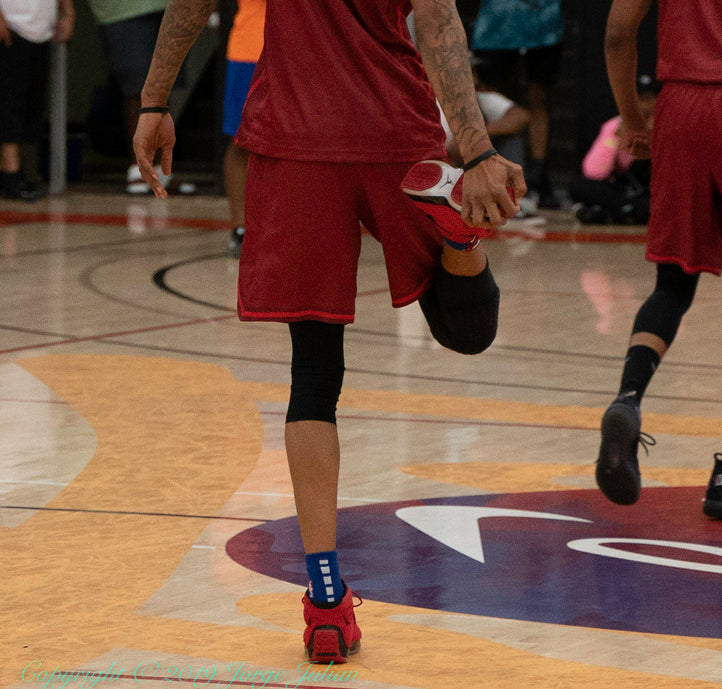
Image Source: gripspritz.com
Fathoming the Fundamentals of Footwear Friction
Basketball is a game of rapid starts, sharp stops, and agile pivots. To execute these movements safely and effectively, players need exceptional traction. This is where the bottom of their basketball shoes, often called the shoe sole, plays a crucial role. The design of these soles is engineered to provide the best possible anti-slip properties on the hardwood floor.
The Science Behind the Squeak
Have you ever heard that distinct squeak when a player makes a sudden move? That squeak is a tell-tale sign of good traction. It happens when the rubber sole of the shoe creates friction against the court surface. This friction is essential for preventing players from slipping and sliding. When the sole becomes slightly less effective, players rub their shoes to “re-activate” that friction, aiming for a more sticky feel.
Why Does Traction Diminish?
Several factors can reduce the grip of a basketball shoe:
- Dust and Debris: The court surface, especially hardwood, can accumulate dust, sweat, and small particles. These can form a thin film between the shoe sole and the floor, acting as a lubricant and reducing traction.
- Sweat: Players sweat, and some of that sweat can drip onto the court or get onto the shoe sole. Sweat can also reduce the stickiness of the rubber.
- Wear and Tear: Over time, the patterns and materials on the shoe sole can wear down, making them less effective at gripping the court surface.
- Court Conditions: The cleanliness and condition of the court surface itself can vary. A dusty or slightly worn hardwood floor will offer less grip than a freshly cleaned and waxed one.
Re-Energizing the Grip: The Shoe Rubbing Ritual
When a player rubs the bottom of their shoes, they are essentially trying to:
- Remove Accumulations: They are wiping away dust, sweat, or other debris that might be preventing direct contact between the shoe sole and the court surface.
- Warm the Rubber: Friction can slightly warm the rubber of the shoe sole. Warmer rubber can sometimes be slightly more pliable and sticky, leading to better grip.
- Expose Fresh Rubber: Depending on the shoe’s design, rubbing might even help expose slightly fresher areas of the rubber compound that have more grip.
The Impact of Grip on Performance
The ability to change direction quickly, jump high, and land safely all depend on reliable traction. Without adequate grip, a player might:
- Slip during crucial plays: This could lead to missed shots, turnovers, or even injuries.
- Hesitate to make aggressive moves: Fear of slipping can cause players to play less dynamically.
- Experience reduced acceleration: Poor traction means less force is transferred to the floor for pushing off.
Therefore, maintaining optimal grip is not just about comfort; it’s a critical component of a player’s performance.
Types of Shoe Soles and Their Grip Properties
Basketball shoes use various rubber compounds and tread patterns to maximize grip.
| Shoe Sole Feature | Description | Impact on Grip |
|---|---|---|
| Rubber Compound | The specific blend of natural and synthetic rubber used. Some compounds are formulated for maximum stickiness, while others prioritize durability. | Stickier compounds offer superior traction but may wear out faster. Different brands and models use proprietary blends to achieve a balance. |
| Tread Pattern | The design etched into the rubber sole. This includes herringbone patterns, multidirectional grooves, and circular patterns. | These patterns are designed to channel away dust and debris and to create more points of contact with the court surface. Herringbone patterns are particularly popular for their excellent multi-directional grip. |
| Surface Area | The total amount of rubber in contact with the floor. | A larger contact area generally means more potential friction, but the pattern and compound are more important for effective traction. |
| Hardness (Durometer) | A measure of how hard the rubber is. Softer rubbers tend to be stickier but wear down more quickly. | Softer, stickier rubbers provide better initial grip but might require more frequent shoe rubbing. Harder rubbers offer more durability but might have slightly less initial traction. |
| Hexagonal Patterns | Some modern shoes incorporate small hexagonal patterns within larger grooves. | These can offer enhanced bite and provide micro-adjustments for grip, especially during lateral movements. They are designed to work with the overall tread for optimal traction. |
| Clear vs. Gum Rubber | Gum rubber is traditionally known for its excellent grip on indoor courts. Clear rubber can also provide good traction but sometimes can be more prone to slipperiness if it picks up too much dust. | Players often have a preference based on the specific court surface and their playing style. Gum rubber is often favored for its consistent stickiness. |
The Role of the Court Surface
The court surface itself is a huge factor. Hardwood courts, typically made of maple or other hardwoods, are smooth and porous. This porosity means they can absorb sweat, but they also become slick when dust and debris accumulate.
- Cleanliness: A well-maintained court is crucial. Regular sweeping and mopping are essential to remove the fine layer of dust that can negate even the best shoe sole design.
- Polish/Finish: The type of finish or polish used on the hardwood can also affect grip. Some finishes are designed to be more conducive to traction, while others might be more prone to becoming slippery.
- Humidity: High humidity can make hardwood courts more prone to becoming slick, as the wood absorbs moisture.
Common Misconceptions about Shoe Rubbing
While rubbing shoes is a practical technique, some people might misunderstand its purpose.
- It’s not about making the shoes “clean”: While it does remove some debris, the primary goal isn’t to clean the entire sole.
- It’s not a magic fix: If the shoe sole is significantly worn or damaged, rubbing won’t restore its original grip.
- It’s not an excuse for poor play: While good grip is important, it doesn’t guarantee flawless performance.
How Players Optimize Their Grip
Beyond the shoe rubbing ritual, players employ other strategies to maintain peak traction.
Pre-Game and In-Game Preparations
- Shoe Selection: Players often have specific shoes for different court conditions or even for different points in a season. They might choose shoes with stickier compounds for a particular game if they know the court tends to be less grippy.
- Wiping Down: Many players will wipe their shoes with a damp cloth before a game to ensure a clean shoe sole and court surface connection.
- Using Grip Enhancers (with caution): Some athletes might use specialized grip sprays or resins on their shoes. However, these are often regulated or prohibited in professional leagues because they can leave residue on the court surface, making it slippery for other players. The rule is usually to maintain grip on your own shoes, not to alter the court surface for everyone.
The Feel of the Floor
Experienced players develop an innate sense for the court surface and how their shoes are interacting with it. They can tell when their grip is starting to fade and will instinctively resort to rubbing their shoes. This is a learned behavior that comes from countless hours on the court.
The Importance of “Feel”
The subtle feedback from the shoe sole against the hardwood is crucial. It’s how a player knows they can push off with full force for a layup or plant their feet firmly for a defensive slide. When that feedback changes – when the shoe feels less sticky or starts to slide unexpectedly – it’s a signal to adjust.
Player-Specific Techniques
While rubbing the bottom is the most common, some players might have slightly different approaches:
- Rubbing the sides: Some might rub the sides of their shoes against the sole, especially if they feel a slight dust build-up on the edges.
- Specific motions: The way they rub can vary – quick swipes, circular motions, or even a firm press and drag. This often depends on personal preference and what they feel works best for them.
When is Rubbing Not Enough?
Even with diligent shoe rubbing, there are times when grip issues persist.
- Worn-out Soles: If the tread pattern is significantly flattened or the rubber compound is degraded, no amount of rubbing will restore adequate traction. This is when shoes need to be replaced.
- Sticky Residue: Sometimes, materials on the court or from other players’ shoes can leave a sticky residue on a player’s sole, which can actually attract more dust and make the shoe sole more slippery. In these cases, a more thorough cleaning might be needed, often with a damp cloth.
- Court Maintenance Issues: If the court surface itself is particularly dusty or improperly maintained, even the best shoes and rubbing techniques might not provide sufficient grip.
The Psychology of the Rub
The act of rubbing the shoes can also have a psychological component. It’s a small, habitual action that can help players center themselves, regain focus, and reaffirm their confidence in their equipment. It’s a moment of control in a fast-paced, often unpredictable game.
- Ritualistic Behavior: Many athletes have pre-game or in-game rituals that help them mentally prepare. Shoe rubbing can be one of these.
- Building Confidence: A player who feels confident in their ability to stop and start without slipping is more likely to play aggressively and effectively. The shoe rub reinforces that confidence.
- Moment of Pause: In the heat of a game, a quick shoe rub provides a brief pause to reset and prepare for the next play.
The Evolution of Basketball Shoe Technology
The constant drive for better performance has led to significant advancements in basketball shoe technology. Designers are always experimenting with new rubber compounds, tread patterns, and midsole cushioning to improve grip, support, and overall player efficiency.
- Advanced Rubber Compounds: Manufacturers are developing compounds that offer a better balance of stickiness, durability, and responsiveness.
- Innovative Tread Designs: New patterns are being created to provide multidirectional traction and better dust-wicking capabilities.
- Material Science: Research into materials that offer enhanced durability and consistent grip even after prolonged use is ongoing.
However, even with the most advanced technology, the fundamental need to maintain a clean shoe sole and a good connection with the court surface remains. This is why the simple act of rubbing the bottom of the shoes continues to be a staple of the game.
FAQs about Basketball Shoe Rubbing
Q1: Does rubbing the bottom of my basketball shoes actually help my grip?
Yes, rubbing the bottom of your basketball shoes helps to remove dust and debris that can accumulate on the shoe sole, improving traction and grip on the court surface. It can also slightly warm the rubber, making it stickier.
Q2: What kind of court surface is best for basketball shoes?
Basketball shoes are designed primarily for hardwood courts, which offer a good balance of grip and ease of movement. While they can be used on other surfaces, traction may vary significantly.
Q3: Can I use any type of shoe for basketball?
No, it’s best to use shoes specifically designed for basketball. These shoes have specialized shoe soles with optimal grip patterns and materials to prevent slips and provide support for the demands of the sport. Using other types of shoes can lead to poor traction and increase the risk of injury.
Q4: Will my shoes still squeak if I rub them?
Yes, squeaky shoes are generally a sign of good grip. Rubbing your shoes aims to enhance this grip, so they will likely continue to squeak, indicating a strong connection to the court surface. If your shoes no longer squeak, it might mean the sole is worn or not getting enough traction.
Q5: What if my shoes feel slippery even after rubbing them?
If your shoes feel slippery even after rubbing, the shoe sole might be worn out, or the court surface could be exceptionally dusty or have a different finish than what your shoes are designed for. Consider cleaning your shoes with a damp cloth or checking if your shoes need replacement.
Q6: Are there alternatives to rubbing the bottom of shoes?
Some players use a small towel to wipe their soles, which can be more effective at removing fine dust and debris than just rubbing on the floor. There are also specialized grip-enhancing products, but these are often not allowed in official games due to potential residue on the court surface.
Q7: How often should basketball players rub their shoes?
Players typically rub their shoes multiple times throughout a game, whenever they feel their traction starting to diminish. It’s a reactive measure to ensure consistent grip during crucial movements.
Q8: Does the color of the rubber on the shoe sole affect grip?
The color itself doesn’t directly impact grip. Gum rubber (typically tan or brown) is often preferred for its stickiness and ability to provide excellent traction on hardwood. However, modern advancements mean that clear rubber or rubber of other colors can also offer great grip if formulated correctly. The key is the rubber compound and tread pattern, not the color.
Q9: What makes a shoe sole “sticky”?
A sticky shoe sole refers to the rubber compound’s ability to adhere to the court surface and provide high friction. This is achieved through the specific formulation of the rubber, often incorporating softer compounds that create more surface contact and, therefore, better grip and traction.
Q10: Is it considered unsportsmanlike to use grip aids on shoes?
In many organized leagues and professional play, using external grip aids or substances not approved by the governing body is prohibited. This is because they can leave residue on the court surface that makes it unsafe or slippery for other players. The common act of rubbing the shoe on the floor is generally accepted as a way to maintain personal grip, not to alter the court surface for others.
In conclusion, the simple act of rubbing the bottom of their shoes is a vital technique for basketball players to maximize their grip and performance. It’s a testament to how small adjustments can make a significant difference in a sport where every millisecond and every foot planted counts. The squeak is music to a player’s ears, signifying a solid connection to the hardwood and the confidence to play at their best.