So, how much does a basketball player make overseas? Basketball player salary abroad can range dramatically, from a few thousand dollars per year for players in less prominent leagues to upwards of $500,000 or even $1 million annually for elite players in top European leagues or China. This wide spectrum of international basketball earnings is influenced by a multitude of factors.
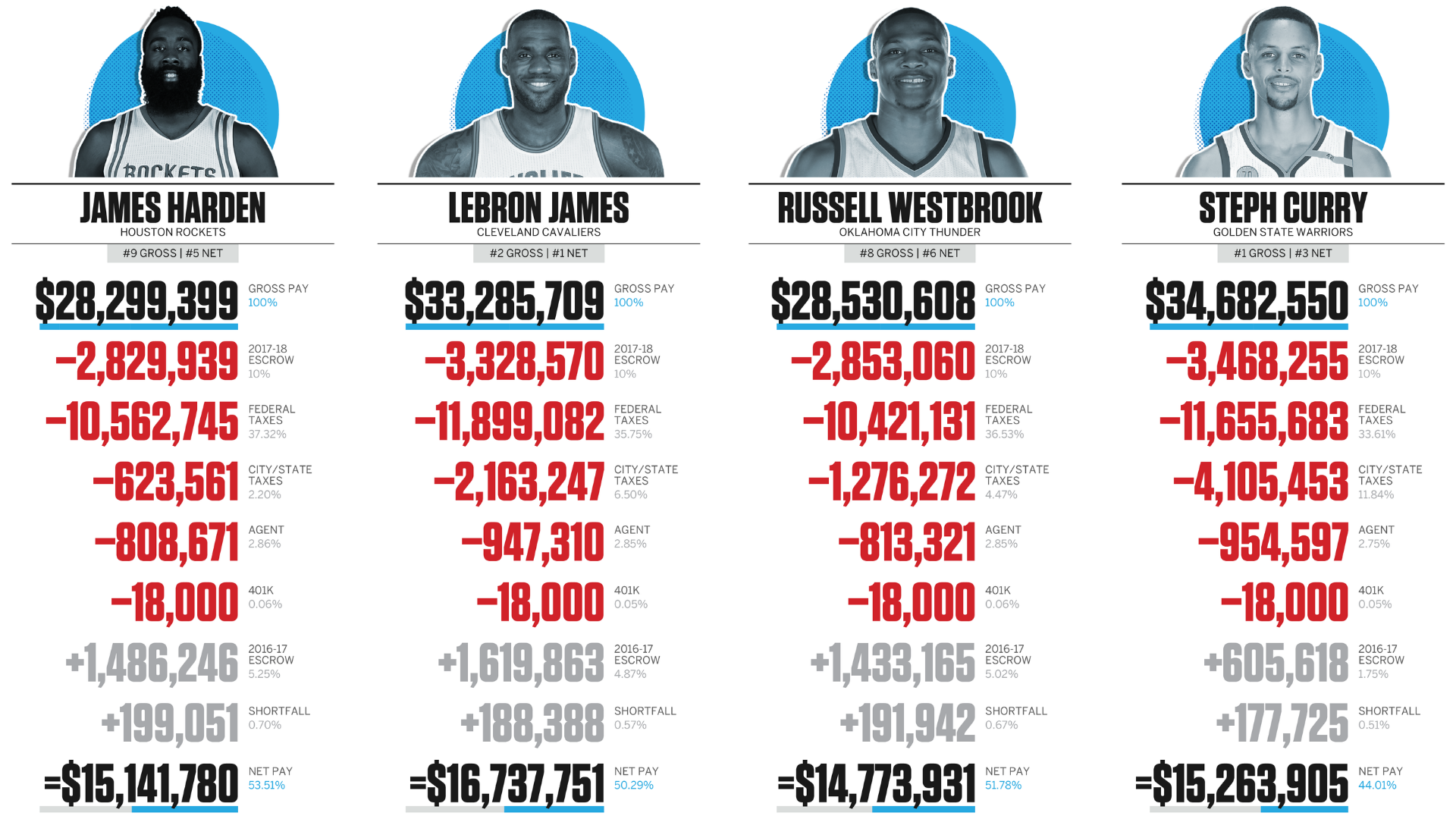
Image Source: europrobasket.com
Deciphering Overseas Basketball Contracts
When a player decides to pursue a career outside of the NBA, they enter the complex world of overseas basketball contracts. These agreements are the foundation of their professional livelihood and dictate everything from their salary to their living arrangements. Unlike the more standardized contracts in the NBA, overseas deals can vary greatly in their structure and the benefits they provide.
Key Components of an Overseas Contract
- Base Salary: This is the primary compensation a player receives. It’s the amount agreed upon for their services during the season.
- Bonuses: Contracts often include various performance-based bonuses. These can be tied to individual achievements (like scoring titles or MVP awards) or team success (like winning a championship).
- Housing: Most clubs will provide housing, either an apartment or a stipend for rent. This is a significant perk, especially in countries with high living costs.
- Transportation: This can include flights home for holidays, local transportation allowances, or even a car.
- Meals/Per Diems: Some clubs offer meal allowances or per diems to cover daily food expenses.
- Health Insurance: Coverage for injuries sustained during play is typically provided, but the extent of this coverage can differ.
- End-of-Season Bonus: Often, a portion of the salary is held back and paid only if the player completes the entire season, discouraging players from leaving mid-contract.
- Taxes: Players are responsible for their own taxes, which can vary significantly by country. Understanding the tax implications is crucial.
Factors Influencing Contract Value
The value of an overseas basketball contract is not a one-size-fits-all proposition. Several key elements determine how much a player can earn:
Player’s Skill Level and Experience
- Proven Track Record: Players with a history of success in strong leagues, particularly those with NBA experience, command higher salaries.
- Current Performance: A player coming off a dominant season in a respected league will be highly sought after.
- Age and Athleticism: While experience is valuable, younger, more athletic players with high potential often attract significant interest.
League Strength and Reputation
- Top European Leagues: Leagues like Spain’s ACB, Turkey’s BSL, and Italy’s Lega Basket Serie A are known for their high salaries and competitive play.
- Middle-Tier Leagues: Countries like Germany, France, and Greece offer good salaries and high-level basketball.
- Emerging Markets: Leagues in China (CBA) and Australia (NBL) have also become lucrative destinations, especially for players who might have NBA aspirations or are looking for significant paychecks.
- Lower-Tier Leagues: Some leagues in Eastern Europe, South America, or Asia may offer considerably lower salaries, often closer to minimum wage for skilled athletes.
Team’s Financial Resources
- Budget: Naturally, teams with larger budgets can afford to offer more attractive contracts. These are often the teams competing for championships or with strong fan bases and corporate backing.
- Club Philosophy: Some clubs prioritize spending big to attract top talent, while others operate more conservatively.
Position and Role
- Scoring Guards and Dominant Big Men: Players who consistently score or control the paint are often in higher demand and can negotiate better deals.
- Defensive Specialists or Role Players: While valuable, their earning potential might be slightly lower compared to offensive powerhouses.
Nationality
- “Import” Slots: Many leagues have restrictions on the number of foreign players a team can sign, often referred to as “import” slots. Players from basketball-rich nations (like the USA) often fill these slots and can command higher salaries due to demand.
Economic Conditions of the Country
- Currency Strength: The economic stability and currency strength of the host country can impact the real value of a contract.
- Cost of Living: Higher cost-of-living areas might see clubs offering larger salary packages to offset expenses.
NBA Overseas Salary Comparison: What’s the Difference?
When comparing NBA overseas salary comparison, it’s essential to recognize the vast chasm in earning potential. The NBA is the pinnacle of professional basketball, and its salaries reflect that.
- NBA Minimum Salary: Even the lowest-paid player on an NBA roster typically earns well over $1 million per year.
- Average NBA Salary: The average NBA salary is upwards of $10 million annually.
- Top NBA Salaries: Superstar players can earn $40 million or more per season, with lucrative endorsement deals adding tens of millions more.
In stark contrast, American basketball players abroad earnings can range from the tens of thousands to several hundred thousand dollars. While these figures might seem modest compared to the NBA, they represent a significant income for many, especially when considering the lower cost of living in some overseas locations and the inclusion of benefits like housing and food.
Why Players Choose Overseas
Despite the salary disparity, many players opt for overseas careers for several valid reasons:
- Guaranteed Income: Overseas contracts are often fully guaranteed, meaning players receive their full salary even if they are injured or cut, which is not always the case in the NBA.
- Playing Time: Players who may not get significant minutes in the NBA can find starting roles and consistent playing time overseas, which is crucial for development and enjoyment.
- Career Longevity: For players who may not have made it to the NBA or are seeking to extend their professional careers, overseas leagues offer a viable path.
- Cultural Experience: Many players embrace the opportunity to live in new countries, learn different languages, and experience diverse cultures.
- Financial Stability: For some, a successful overseas career provides a comfortable living and a solid financial foundation that might be elusive if they were on the fringes of NBA contention.
Pro Basketball Player Income Europe: A Closer Look
Pro basketball player income Europe is highly varied, but the top leagues offer substantial compensation, often rivaling some of the lower-tier NBA contracts in terms of take-home pay after accounting for benefits.
Top European Leagues and Their Salaries
- EuroLeague: This is the premier club competition in Europe, featuring the wealthiest and most successful teams. Players in the EuroLeague can earn anywhere from €300,000 to over €2 million per season. Star players on championship-contending teams can reach the higher end of this spectrum, especially if they have NBA experience or are considered elite European talent.
- Spain (ACB): Consistently ranked as one of the best domestic leagues outside the NBA, the ACB offers competitive salaries. European basketball player wages in the ACB can range from €100,000 for role players to €1 million or more for top stars. Many players transition from the ACB to the NBA.
- Turkey (BSL): The Turkish league is known for its financial muscle, with clubs often willing to spend big to attract talent. Salaries here are comparable to Spain, with top players potentially earning €500,000 to €1.5 million.
- Italy (Lega Basket Serie A): Italy offers good salaries, particularly for its top teams. Basketball player pay leagues like the Italian Serie A can see players earning €150,000 to €700,000.
- Germany (BBL): The German league is well-organized and offers solid compensation. Players can expect to earn €100,000 to €500,000, with top teams paying more.
- France (LNB Pro A): The French league is growing in strength and offers attractive salaries, generally ranging from €80,000 to €400,000.
Salary Expectations for International Basketball (Europe)
When setting salary expectations for international basketball in Europe, players need to consider their marketability.
- Undrafted/Unproven Americans: Young American players who go overseas directly after college without being drafted by the NBA might start in the €50,000 to €100,000 range, depending on their college pedigree and workout performance.
- Experienced Americans with College/G-League Experience: Players with solid college careers or a few years in the G-League might command €100,000 to €250,000.
- Former NBA Players (End of Bench/D-League): Players who spent time on NBA rosters but didn’t establish themselves can often secure contracts in the €200,000 to €500,000 range in top European leagues.
- European Nationals: Top European players who have never played in the NBA but are stars in their home countries or the EuroLeague can earn significantly, sometimes exceeding €1 million.
Asian Basketball League Salaries: The Rise of the CBA and Beyond
The Asian basketball league salaries landscape is significantly shaped by the Chinese Basketball Association (CBA), which has emerged as one of the most lucrative destinations for foreign players, particularly Americans.
The Chinese Basketball Association (CBA)
The CBA has invested heavily in its league, attracting a mix of former NBA players and talented international athletes.
- CBA Salaries: Basketball player salary abroad in the CBA can be exceptionally high, especially for players who fit the “marquee” foreign player profile. While exact figures are often private, reports suggest that top foreign players can earn anywhere from $150,000 to upwards of $500,000 USD per season. Some elite foreign players, particularly those with strong NBA resumes, have reportedly earned significantly more, potentially reaching the $1 million mark.
- Import Rules: The CBA typically allows two foreign players per team, often referred to as “imports.” This creates competition for these valuable slots.
- Contract Length: CBA seasons are generally shorter than European leagues, typically running from October to April.
Other Asian Leagues
Beyond China, other Asian leagues offer opportunities, though generally at lower salary levels:
- Japan (B.League): Japan’s professional league has grown and offers decent salaries, particularly for its top foreign players, who might earn $80,000 to $200,000.
- South Korea (KBL): The Korean league is also competitive, with salaries for imports ranging from $70,000 to $150,000.
- Philippines (PBA): The Philippine Basketball Association is highly popular, but salaries for foreign players (often called “imports” and limited to a certain number per conference) are typically in the $30,000 to $100,000 range for a full season, though bonuses can increase this.
Salary Expectations for International Basketball: Global Overview
Setting salary expectations for international basketball requires a broad perspective. While Europe and China often represent the highest paying markets, numerous other countries offer professional basketball opportunities.
Factors Shaping Global Salaries
- Economic Power: Countries with stronger economies generally have more robust professional sports leagues capable of offering higher salaries.
- Basketball Popularity and Infrastructure: Leagues in countries where basketball is a major sport tend to have better funding and higher salary caps.
- League Professionalism: The more professionalized a league, the more likely it is to have structured contracts and competitive salaries.
Reaching the Top Tier of International Basketball Earnings
To maximize international basketball earnings, players generally aim for these leagues:
- EuroLeague (Europe)
- ACB (Spain)
- BSL (Turkey)
- CBA (China)
Players who excel in these leagues can earn substantial incomes and position themselves for potential returns to the NBA or lucrative deals in other high-paying leagues.
The Path to Higher Salaries: Building Your Overseas Career
For aspiring basketball players, understanding the path to higher overseas salaries is crucial. It’s not just about talent; it’s about strategic career management.
Key Strategies for Maximizing Earnings
- Excel at Every Level: From college to the G-League or lower-tier overseas leagues, consistently performing well is the most fundamental step. Showcase your skills and prove your value.
- Gain Exposure: Attend exposure camps, work with reputable agents, and ensure your game film is readily available to scouts and teams.
- Target the Right Leagues: Once you gain experience, strategically choose leagues that offer better compensation and opportunities for advancement. Moving from a lower-tier European league to a top-tier one can significantly boost your salary.
- Develop a Niche: While being a well-rounded player is ideal, specializing in a particular skill (e.g., elite shooting, lockdown defense, playmaking) can make you more valuable to specific teams.
- Network: Build relationships with coaches, general managers, and other players. Word-of-mouth referrals can be powerful in the international basketball circuit.
- Understand Your Value: Research average salaries for players with your experience and skill set in different leagues. Don’t be afraid to negotiate.
- Consider Endorsements: While less common and lucrative than in the NBA, some players in popular overseas markets might secure local endorsement deals.
The Role of Agents
A good agent is invaluable in navigating the complexities of overseas contracts. They have the contacts, knowledge of market values, and negotiation skills to secure the best possible deals for their clients. They can also help players avoid problematic contracts or clubs.
Fathoming the Financial Realities: What to Expect
Salary expectations for international basketball should be grounded in realism. While the potential for high earnings exists, it’s not guaranteed for every player.
Starting Out Overseas
- Beginner Players: Players making their first foray into professional basketball overseas, especially if they aren’t coming from a highly touted college program or have limited experience, might find themselves in leagues in countries like Portugal, Austria, or the Netherlands. Salaries here could be in the €20,000 to €50,000 range, often with benefits like housing and a meal stipend.
- Mid-Level Leagues: As players prove themselves, they can move up to leagues in countries like Belgium, Poland, or Hungary, where salaries might range from €50,000 to €120,000.
The Jump to Top Leagues
The significant salary increases typically come when players can secure contracts in the top European leagues (EuroLeague, Spain, Turkey) or the CBA in China. This jump requires demonstrating consistent high-level performance and often having a strong resume.
NBA Overseas Salary Comparison: A Reality Check
The NBA overseas salary comparison is a crucial point. A player earning $200,000 overseas might have a comparable lifestyle to an NBA player earning $500,000 if housing, food, and other expenses are covered by the club overseas. However, the top NBA salaries remain vastly superior.
Frequently Asked Questions (FAQ)
Q1: What is the average salary for a basketball player overseas?
The average salary varies greatly. For players in lower-tier leagues, it might be around $30,000-$60,000 USD per year. For players in top European leagues or the CBA, the average can easily be $150,000-$300,000+, with elite players earning significantly more.
Q2: Can I play basketball overseas without NBA experience?
Yes, absolutely. Many players forge successful and lucrative careers overseas without ever playing in the NBA. Strong college careers, G-League performance, or standout play in other professional leagues are often enough to attract overseas offers.
Q3: How long are overseas basketball contracts typically?
Most overseas basketball contracts are for one season, usually lasting around 9-10 months, including training camp and the regular season/playoffs. Some longer-term contracts, perhaps for two or three years, exist but are less common, especially for players new to a league.
Q4: What are the best-paying basketball leagues outside the NBA?
The Chinese Basketball Association (CBA) and the top European leagues, such as the EuroLeague, Spain’s ACB, and Turkey’s BSL, are generally considered the highest paying.
Q5: Do overseas players get paid in USD or local currency?
Contracts can be denominated in either USD or the local currency. This depends on the club and the league. It’s essential to clarify this in the contract, as currency fluctuations can impact the actual value of the salary received.
Q6: What expenses do overseas basketball clubs usually cover?
Most clubs will provide housing and cover utilities. Many also offer meal stipends or per diems, provide transportation to and from the country, and sometimes include a car or local transportation passes. Health insurance is also usually included.
Q7: How does tax affect overseas basketball earnings?
Taxes vary significantly by country. Players are typically responsible for paying taxes in the country where they earn their income. It is highly recommended to consult with a tax professional specializing in international athlete taxation to understand your obligations and potential deductions.
Q8: Is it possible to earn $1 million per year playing basketball overseas?
Yes, it is possible, but it is reserved for the absolute elite players in the highest-paying leagues (like the EuroLeague or CBA) who are considered true stars or have significant NBA experience. These are not typical earnings for most overseas players.
Q9: What are salary expectations for international basketball if I’m a solid European player but not a star?
If you are a solid, contributing player in a good European league but not a superstar, you could realistically expect to earn anywhere from €100,000 to €300,000 per season, depending on the specific league, your team’s budget, and your role.
Q10: How can I find an agent to help me get overseas contracts?
You can find agents through recommendations from coaches, fellow players, or basketball organizations. Attend reputable exposure camps where agents are present. Research agents who specialize in international basketball placement and have a proven track record.