Many people ask, “How much air should be in a basketball?” For most basketballs, a pressure between 7 and 9 PSI (pounds per square inch) is ideal. This amount of Basketball PSI helps the ball play its best. The Recommended basketball pressure for a standard size 7 basketball is often around 8 PSI. This guide will help you learn all about Official basketball inflation and how to get it right.
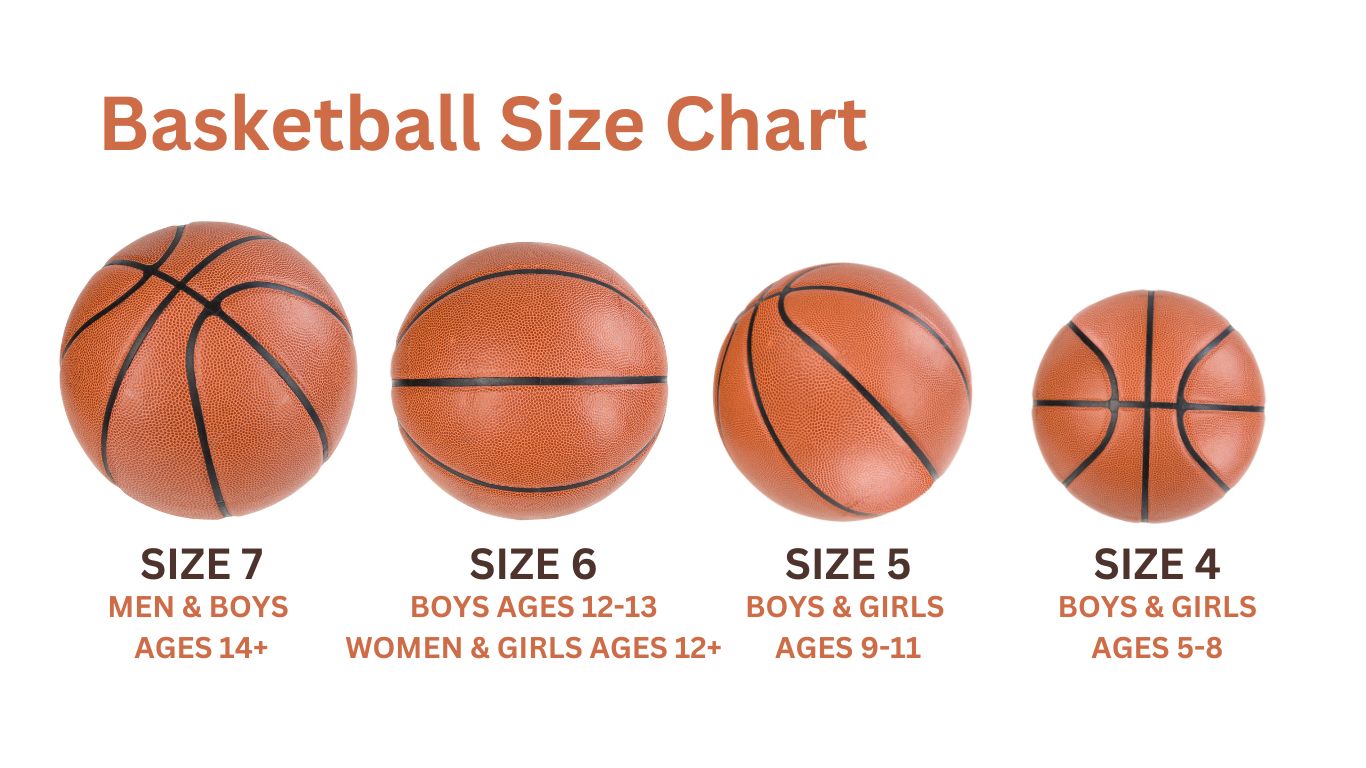
Image Source: 149347557.v2.pressablecdn.com
Why Correct Air Pressure Matters
Good air pressure in your basketball is very important. It changes how you play the game. It affects how the ball bounces. It changes how you can hold it. It even affects how well you shoot and pass. Getting the pressure just right helps your game a lot. It also makes your ball last longer.
How Air Affects the Ball’s Bounce
The air inside your basketball makes it bounce. If the ball has the right amount of air, it will bounce well. It will be lively and true. A ball with too little air will bounce low and feel dead. A ball with too much air will bounce too high and be hard to control. The right bounce helps you dribble and rebound better.
Grip and Ball Control
The right air pressure also helps you hold the ball. A ball with good pressure feels right in your hands. It is easy to grip for dribbling. You can pass it well. You can shoot it with a good feel. If the ball is too soft, it is hard to hold. If it is too hard, it can slip from your hands. This makes control tough.
Shot Accuracy and Passing
Think about shooting a basketball. The right air in the ball makes it feel consistent. You know how it will leave your hand. This helps your shots go where you want them. Passes are also easier. You can throw them with more speed and spin. The ball flies true through the air. Wrong pressure makes shots miss. It makes passes go off target.
Ball Safety and Lifespan
Keeping the right pressure also keeps your ball safe. A ball that is too full can break more easily. It can pop or tear. A ball that is too soft can also get damaged over time. It can lose its shape. Good pressure keeps the ball in good shape. It helps your ball last for many games.
The Ideal Air Pressure: What the Experts Say
Knowing the right air pressure is key. Different rules and balls need different amounts of air.
Recommended Basketball Pressure: The Golden Number
Most basketballs work best between 7 and 9 PSI. This is a good range for many players. You can often find this number printed on the ball itself. Look near the air valve. The Recommended basketball pressure helps you get the best play.
| Basketball Type | Ideal PSI Range | Notes |
|---|---|---|
| Standard Size 7 | 7.5 – 8.5 PSI | For most men’s games. |
| Standard Size 6 | 7.0 – 8.0 PSI | For women’s and youth games. |
| Standard Size 5 | 6.0 – 7.0 PSI | For younger kids. |
| Outdoor Ball | 8.0 – 9.0 PSI | May need more air due to rougher play. |
NBA Basketball PSI: Pro Standards
The National Basketball Association (NBA) has its own rules. The NBA basketball PSI range is very exact. NBA rules say that game balls should be between 7.5 and 8.5 PSI. This is a tight window. It makes sure all balls play the same way. It gives a fair game. Pros need very precise ball feel.
Different Ball Types, Different Pressures
Not all basketballs are the same. A ball for a young child needs less air than a ball for an adult.
- Size 7 Basketballs: These are for men and boys aged 15 and up. They usually need 7.5 to 8.5 PSI. This is the Official basketball inflation for many adult leagues.
- Size 6 Basketballs: These are for women and girls aged 12 and up. They are also for boys aged 12-14. They often need 7.0 to 8.0 PSI.
- Size 5 Basketballs: These are for younger kids, usually ages 9-11. They need less air, around 6.0 to 7.0 PSI.
- Outdoor Basketballs: These balls are tougher. They are made for rough surfaces. Sometimes, they can hold a little more air, like 8.0 to 9.0 PSI. This helps them keep their bounce on hard courts.
Basketball PSI: A Key Measurement
PSI stands for “pounds per square inch.” It measures the force of the air inside the ball. Knowing the correct Basketball PSI is very important. It is like knowing the right tire pressure for your car. It helps everything work well and safely. Always aim for the PSI that is printed on your specific ball.
How to Measure and Adjust Air Pressure
You need the right tools to check and change your ball’s air pressure.
Getting the Right Reading: Basketball Air Pressure Gauge
A Basketball air pressure gauge is a must-have tool. It tells you exactly how much air is in your ball. Do not guess. Guessing can lead to a ball that is too hard or too soft. There are a few types of gauges:
- Needle Gauges: These are small tools. You push a needle into the ball’s valve. A dial shows the pressure. They are simple and often cheap.
- Digital Gauges: These are more modern. They give a digital number for the pressure. They are often more accurate. They might cost a bit more.
- Pump Gauges: Some air pumps have a gauge built right into them. You can see the pressure as you pump.
To use a gauge:
- Make sure the ball’s valve is clean.
- Push the gauge needle straight into the valve. Push it firmly but gently. Do not bend the needle.
- Read the number on the gauge.
- Pull the gauge out cleanly.
Using a gauge often is part of Proper basketball inflation.
Pumping It Up: Using a Basketball Pump
Once you know the pressure, you might need to add air. You need a good basketball pump. It will have a thin needle. This needle fits into the ball’s valve.
- Attach the needle to the pump hose. Make sure it is secure.
- Moisten the needle. You can use a little saliva or water. This helps it slide in easily. It also protects the valve.
- Push the needle straight into the ball’s valve. Again, be gentle. Do not force it.
- Pump air slowly. Watch your gauge as you go.
- Stop when you reach the right Basketball PSI.
Basketball Pump PSI Reading: Knowing Your Tools
Some pumps have a gauge built in. This is very handy. As you pump, the gauge shows the pressure rising. This helps you avoid overfilling the ball. When you use a pump with a gauge, remember:
- Check the gauge often: Do not just pump wildly. Look at the gauge every few pumps.
- Pump slowly: This helps you control the pressure better. It also gives the gauge time to read correctly.
- Remove the needle carefully: Once you are done, pull the needle straight out. Do not twist or yank it.
The Bounce Test Basketball: A Quick Check
If you do not have a gauge, you can do a quick Bounce test basketball. This test is not perfect. It cannot give you an exact PSI number. But it can tell you if your ball is way off.
- Hold the ball at shoulder height. This is about 6 feet or 1.8 meters high.
- Drop the ball straight down. Let it bounce.
- Watch how high it bounces back up.
- Good bounce: The ball should bounce back to your waist level. This is about 49 to 54 inches (124 to 137 cm) high. This means it has good air.
- Low bounce: If it bounces much lower than your waist, it needs more air. It is likely Underinflated basketball feel.
- High bounce: If it bounces much higher than your waist, it has too much air. It is likely Overinflated basketball problems.
This test is a good first check. But it is always best to use a pressure gauge for true Proper basketball inflation.
The Dangers of Wrong Pressure
Having the wrong amount of air in your basketball can cause problems. It affects your game. It can also hurt your ball.
Overinflated Basketball Problems: Too Much of a Good Thing
When a basketball has too much air, it feels very hard. This can cause many issues:
- Hard to grip: The ball feels like a rock. Your hands cannot get a good hold on it. It might slip when you dribble or pass.
- Unpredictable bounce: An overfilled ball bounces too high. It can also bounce in strange ways. This makes dribbling very hard. It is tough to control where the ball goes.
- Increased wear and tear: Too much pressure puts stress on the ball’s seams and outer layer. It can lead to cracks or tears. The ball might wear out faster. It can even pop.
- Impact on shooting: Shooting an overinflated ball is difficult. It feels too light. It can make shots go over the rim. It also feels bad when it hits your hands.
- Hand pain: Repeatedly catching or shooting a very hard ball can hurt your hands. It can cause pain in your fingers or wrists over time.
Underinflated Basketball Feel: The Soft Spot
A basketball with too little air feels soft and mushy. This also causes big problems:
- Dead bounce: The ball does not bounce high enough. It feels heavy and lifeless. Dribbling becomes a chore. It takes more effort to move the ball.
- Mushy feel: When you squeeze it, it feels soft. It does not feel firm. This makes it hard to dribble with speed.
- Poor shooting accuracy: Shots will fall short. The ball does not have the spring needed to reach the hoop. It might feel like you are throwing a blob.
- Causes strain: You have to use more force to dribble or pass an underinflated ball. This can strain your hands, wrists, and arms.
- Less responsive: The ball will not react quickly to your moves. It feels sluggish. This slows down your play. It makes it harder to play well.
Proper basketball inflation helps avoid both of these problems.
Factors Affecting Basketball Pressure
Air pressure in your basketball is not always constant. Things around you can change it.
The Air Around Us: Temperature and Altitude
The air inside your ball is sensitive to changes in the environment.
- Temperature:
- Cold Weather: When it is cold, the air inside your ball shrinks. This makes the Basketball PSI drop. Your ball will feel softer. If you play outside in winter, you might need to add a little air.
- Hot Weather: When it is hot, the air expands. This makes the Basketball PSI go up. Your ball will feel harder. If you leave your ball in a hot car, it might get overinflated. Check it before you play.
- Altitude:
- If you play in a very high place (like in the mountains), the air outside is thinner. This can make the ball’s internal pressure seem higher relative to the outside. This effect is small for basketballs, but it is real for things like car tires. For most players, temperature is a much bigger factor.
Because of these changes, it is good to check your ball often. This helps maintain Proper basketball inflation.
Ball Material and Age: Natural Air Loss
Basketballs naturally lose air over time. This is normal.
- Porous Material: The rubber or composite material of a basketball is not perfectly sealed. Tiny bits of air can slowly escape through the material itself. This happens very slowly, but it does happen.
- Valve Degradation: The air valve is where you put air in. Over time, this valve can get old or damaged. It might not seal as well. This can cause air to leak out faster.
- Age of the Ball: Older balls often lose air more quickly. Their materials are not as new. Their valves may not seal as tightly. A brand-new ball will hold air better than an old, worn-out one.
Because of this natural air loss, you should check your ball’s pressure often. Do not just fill it once and forget it. Regular checks help keep your ball ready to play.
Achieving Proper Basketball Inflation: Best Practices
To get the most out of your ball, follow these tips for Proper basketball inflation.
A Routine for Perfect Pressure
Make checking your ball’s air part of your routine.
- Check Before Every Game or Practice: Get into the habit of checking the Basketball PSI before you play. It only takes a minute. This is the best way to ensure the ball is always ready.
- Use a Reliable Gauge: Invest in a good Basketball air pressure gauge. It does not have to be expensive. A simple needle gauge works well. It gives you an exact number. This is much better than guessing.
- Inflate Slowly: When adding air, do it in small bursts. Check the gauge often. It is easier to add a little more air than to let a lot out. This prevents Overinflated basketball problems.
- Avoid Over-Inflation: Never pump a ball beyond the recommended PSI. Going past 9 PSI can damage the ball. It also makes it very hard to control. Stick to the Recommended basketball pressure range.
Caring for Your Basketball
Proper care also helps maintain the right pressure and makes your ball last.
- Store It Properly: Do not leave your basketball in extreme temperatures. Avoid very hot places like a car trunk in summer. Avoid very cold places like an unheated garage in winter. Store it inside at room temperature. This helps keep the Basketball PSI stable.
- Keep It Clean: Dirt and dust can get into the air valve. This can make it leak. Wipe down your ball after playing. Keep the valve area clean.
- Check the Valve: Sometimes, the valve itself can be the problem. If your ball leaks air very fast, the valve might be faulty. You can get valve oil or even replace some valves.
By following these simple steps, your basketball will always have the right amount of air. This helps you play your best. It also helps your ball last for a long time.
Frequently Asked Questions (FAQ)
Is 7 PSI good for a basketball?
Yes, 7 PSI is generally a good amount of air for a basketball. Most balls are designed to play well between 7 and 9 PSI. For a size 6 ball, 7 PSI is often ideal. For a size 7 ball, it might feel a little soft but is still within a good range. Always check the Recommended basketball pressure printed on your ball.
What PSI do NBA players use?
NBA players use basketballs that are inflated to between 7.5 and 8.5 PSI. This is the NBA basketball PSI rule. This small range makes sure all game balls have a very consistent feel. It gives players the precise control they need at the professional level.
How do I know if my basketball is properly inflated?
The best way to know is by using a Basketball air pressure gauge. Insert the needle into the ball’s valve to get an exact reading. The number should match the Recommended basketball pressure printed on your ball (usually 7-9 PSI). You can also do a Bounce test basketball: drop it from shoulder height, and it should bounce back to about waist height.
How often should I check my basketball’s air pressure?
You should check your basketball’s air pressure regularly. It is best to check it before every game or practice. Air pressure can change due to temperature and natural air loss. A quick check with a Basketball air pressure gauge ensures your ball is always ready.
Can I use a regular tire gauge for my basketball?
No, you should not use a regular tire gauge for your basketball. Tire gauges use a different type of connector. They do not have the thin needle needed for a basketball valve. Using one can damage the valve and make your ball leak air. Always use a proper Basketball air pressure gauge with a thin needle.