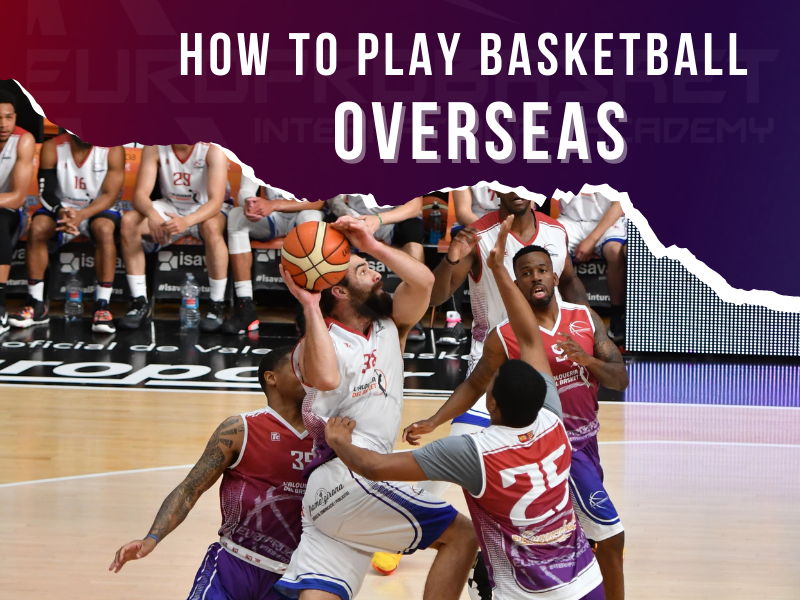
Image Source: europrobasket.com
Discover How Can I Play Basketball Overseas Pro-Level
Do you want to play basketball professionally overseas? Yes, you can play basketball overseas at a pro level. Many players from around the world chase this dream. It is a real chance to play a sport you love for money. This guide shows you how to make that dream happen. We will look at what it takes. We will cover how to find teams. We will talk about getting signed. Let’s start your journey to play professional basketball abroad.
Starting Your Journey to Play Pro Basketball Overseas
Playing professional basketball abroad means more than just being good. It means being ready for a big change. You need top skills. You need a strong mind. This path is for players who truly want to make basketball their job. It is not always easy. But it can be very rewarding.
Key Traits for Overseas Play
To play overseas, you need certain things.
* High Skill Level: You must be great at basketball. Teams look for players who stand out. You need good shooting, passing, defense, and overall court sense.
* Physical Fitness: You must be in top shape. Pro seasons are long. Games are tough. You need to be strong and fast.
* Mental Toughness: This is very important. You will face challenges. New cultures, language barriers, and time away from home are common. You need to stay focused and positive.
* Adaptability: Can you fit into a new team? Can you live in a new country? Can you learn new plays quickly? Being open to new things helps a lot.
* Professional Attitude: Always act like a pro. Be on time. Work hard. Be a good teammate. Coaches notice these things.
The Different Routes to Play Overseas
There are many ways to play professional basketball abroad. Your path depends on your background. Each route has its own steps.
From College or University
Many players go pro after college. This is a common path.
* NCAA Division I: These players often get the most attention. They play against top talent. Their games are sometimes on TV. This makes it easier for scouts to see them.
* NCAA Division II/III: Players from these levels can also go pro. They need strong stats. They need a good highlight reel. They might need to work harder to get noticed.
* NAIA/JUCO: Junior College (JUCO) players can also make it. Some go to four-year colleges first. Others go straight to pro. They need to show they can play at a high level.
Teams often look for players with a college degree. It shows they can finish what they start. It also means they have some life experience.
From Junior College (JUCO)
JUCO players sometimes go pro directly. This is less common. But it happens for top players. You need to show you are too good for JUCO. You need to have great stats. A strong highlight tape is key. JUCO can be a quick way to get noticed if you play very well.
Straight from High School
This is very rare. Only a few top players do this. They are usually NBA-level talents. For most, playing college ball is a better step. It helps you grow your game. It helps you mature.
G-League or Other Domestic Leagues
Playing in the NBA G-League is another way. It is a step below the NBA. Many players here want to reach the NBA. But some G-League players go overseas too. If you play well in the G-League, foreign teams will see you. Other smaller leagues in the US also exist. Success there can open doors abroad.
Navigating the International Basketball Recruiting Landscape
Getting seen by overseas teams is a big step. You need to market yourself. You need to know where to look. This is part of international basketball recruiting.
Making a Strong Player Profile
This is your resume for teams. Make it good.
* Highlight Reels: This is super important. Make a video of your best plays. Keep it short and exciting (3-5 minutes). Show your strengths. Show you can shoot, pass, defend, and lead. Use good quality video.
* Full Game Footage: Some teams want to see full games. This shows how you play over time. It shows your effort and consistency.
* Stats and Awards: Include all your basketball numbers. Points, rebounds, assists, steals, blocks. Mention any awards you won. Show how you compare to others.
* References: Get letters from coaches. They should talk about your skills and character. A good reference can help a lot.
* Basic Information: Your name, height, weight, position, contact info. Your past teams and coaches.
Put all this info on a simple website or a PDF. Make it easy to share.
The Role of Overseas Basketball Tryouts
Overseas basketball tryouts are a common way to get seen.
* What to Expect: These are often intense. You play against many other hopefuls. You have a short time to impress. Coaches look for specific skills. They watch how you interact with others.
* Finding Them: Some tryouts are open. Others are by invite only. Look online for events. Some agents run them. Be careful of scams. Always check the organizer’s past.
* Cost vs. Benefit: Tryouts can cost money. You might pay for travel, food, and the tryout fee. Make sure the tryout is real. Make sure teams will actually be there. A good tryout can lead to a contract. A bad one can waste your time and money.
* Table: Types of Overseas Tryouts
| Tryout Type | Description | Pros | Cons |
|---|---|---|---|
| Open Tryouts | Anyone can attend, usually for a fee. | Many chances to be seen. | Very crowded, harder to stand out. |
| Invite-Only Tryouts | Teams/agents invite specific players. | Less crowded, higher quality of play. | Harder to get invited. |
| Agent-Run Tryouts | An agent organizes a tryout for their clients or potential clients. | Direct access to an agent. | May not guarantee team presence. |
| Team-Specific Tryouts | A single team holds a tryout for their roster. | Direct path to one team. | Very limited spots, highly competitive. |
Attending Exposure Camps
Exposure camps are like longer tryouts. They can last days.
* Benefits: You get more time to show your skills. Coaches and scouts can watch you closely. You might play against other good players. You can also meet agents here.
* Where to Find Them: Many groups run these camps. Search online for “overseas basketball exposure camps.” Check dates and locations. Pick camps known for placing players.
* Networking: Camps are great for meeting people. Talk to coaches, scouts, and other players. Build your network. Someone you meet might help you later.
Securing a Basketball Agent Overseas
A basketball agent overseas can be a big help. They know the market. They can open doors. They connect players with teams.
Why You Might Need an Agent
- Connections: Agents have contacts with teams and coaches. They know who is looking for what type of player.
- Negotiation: They handle contract talks. They get you the best deal. They know fair market value.
- Paperwork: They help with visas, travel, and other documents. This can be complex.
- Protection: They look out for your best interests. They make sure you get paid. They deal with problems.
How to Find a Reputable Agent
Finding a good agent is key.
* Research: Look up agents online. Check their past clients. See if they have placed players overseas.
* Referrals: Ask current pro players who their agent is. A recommendation from a trusted player is good.
* Accreditation: Some agents are certified by FIBA (the world basketball body). This is a good sign.
* Avoid Scams: Be careful of agents who ask for money upfront. Real agents get paid when you sign a contract. They take a percentage of your salary.
What an Agent Does for You
A good agent does many things.
* Markets You: They send your profile to teams. They talk you up to coaches.
* Finds Opportunities: They look for teams that fit your skills and goals.
* Negotiates Contracts: They get you the best salary and terms.
* Manages Logistics: They help with flights, housing, and visas.
* Advises You: They help you make career choices. They guide you through challenges.
Agent Fees and Contracts
Agents usually take a percentage of your salary. This can be 5-10%. Make sure you understand their contract. Read all the terms. Know how long the agreement lasts. Know how they get paid.
Exploring Professional Basketball Abroad: Best Countries and Leagues
Different countries offer different experiences. Some leagues are very competitive. Some offer higher pay. Others are good for younger players. This is where foreign basketball opportunities come alive.
Diving into European Basketball Leagues
Europe is a top choice for many players. European basketball leagues are very strong.
* Top Tier Leagues:
* Spain (Liga ACB): One of the best leagues in the world. High level of play. Good pay. Many players move to the NBA from here.
* Italy (Lega Basket Serie A): Also a very strong league. Good pay and lifestyle.
* France (LNB Pro A): Growing fast. Good competition. Often has strong, athletic players.
* Germany (BBL): A well-run league. Teams are stable. Good for players looking for consistency.
* Turkey (BSL): High-paying league. Very passionate fans. Good competition.
* Greece (GBL): Rich history in basketball. Intense games.
* Lower Divisions: Even lower divisions in these countries can pay well. They are also a good starting point. You can prove yourself there. Then move up.
* Play Pro Basketball Europe: Europe is popular for many reasons. High level of play. Good organization. Often a good quality of life. Easier travel between countries.
Table: Overview of Top European Leagues
| Country | League Name | Level of Play | Typical Salary Range (USD/Month) | Notes |
|---|---|---|---|---|
| Spain | Liga ACB | Elite | $10,000 – $100,000+ | Very strong, highly competitive. |
| Italy | Lega Basket Serie A | High | $7,000 – $50,000+ | Strong league, good lifestyle. |
| France | LNB Pro A | High | $5,000 – $40,000+ | Growing rapidly, athletic play. |
| Germany | BBL | High | $5,000 – $30,000+ | Well-organized, stable teams. |
| Turkey | BSL | High/Elite | $8,000 – $60,000+ | High pay, passionate fans. |
| Greece | GBL | High | $4,000 – $30,000+ | Rich basketball history, intense. |
| Other Europe | Various | Mid-Low | $1,000 – $5,000 | Good starting points, can move up. |
Note: Salaries are rough estimates and can vary greatly based on player experience, skill, and team budget.
Other Foreign Basketball Opportunities
Beyond Europe, many other regions offer play.
* Asia:
* China (CBA): Very high salaries for top players. Big market. Very competitive.
* Japan (B.League): Growing league. Good pay. Good quality of life.
* South Korea (KBL): Solid league. Good pay. Strict rules on foreign players.
* Philippines (PBA): Very popular league. Passionate fans. Unique style of play.
* Australia/New Zealand (NBL): Strong league. High level of play. Good English-speaking option. Good for players wanting to stay in a Western culture.
* South America (Argentina, Brazil): Passionate fans. Good competition. Can be a good first stop for some players.
* Africa: Leagues are developing. Pay can be lower. But it’s an option for some.
Factors Influencing Country Choice
When picking a country, think about:
* Language: Will you need to learn a new language? Is English common?
* Culture: Are you ready for a different way of life?
* Pay: How much do you need to earn? What is the cost of living there?
* Playing Style: Do you fit the way they play basketball in that country? Some areas are more physical. Some are more skill-based.
* Family: If you have a family, think about schools and safety.
The best countries for overseas basketball depend on your personal goals and skills.
Landing a Contract: Basketball Contracts Overseas
Getting a contract is the goal. But you need to know what to look for. Basketball contracts overseas can be complex.
What to Look For in a Contract
- Salary: How much will you get paid? Is it net (after taxes) or gross (before taxes)?
- Payment Schedule: When do you get paid? Monthly? In installments?
- Housing: Does the team provide housing? Is it furnished? Is it close to the gym?
- Transportation: Do they give you a car? Or money for public transport?
- Flights: Does the team pay for your flights to and from the country?
- Medical Insurance: This is very important. Does the team cover your health care?
- Food Stipend: Do they give you money for food? Or team meals?
- Bonuses: Are there bonuses for winning games or championships?
- Performance Clauses: What if you get injured? What if you don’t play well?
- Team Option/Player Option: Can the team or you end the contract early?
Typical Terms and Conditions
Most contracts are for one season. They usually start in August or September. They end in April or May. They often have clauses about conduct. You must act professionally. You must follow team rules. Many contracts also have “buyout” clauses. This lets you leave if an NBA or higher-level team wants you.
Salary Ranges and Benefits
Salaries vary greatly.
* Entry-Level: Some players start at $1,000-$3,000 per month. This might include housing and food.
* Mid-Level: Experienced players can earn $5,000-$15,000 per month.
* High-Level: Top players in big leagues can make $20,000-$100,000+ per month. Some can even make millions per season.
Benefits like housing, flights, and insurance add to your total pay. These are important to consider.
Negotiation Tips
- Use Your Agent: This is their job. Let them handle the hard talks.
- Know Your Value: Research what similar players earn.
- Be Patient: Don’t rush into a bad deal.
- Read Everything: Make sure you and your agent understand every part of the contract.
Life as an Overseas Pro Basketball Player
Playing abroad is more than just games. It is a whole new life.
Adapting to New Cultures
You will live in a new place. Things will be different. Food, customs, and daily routines will change.
* Open Mind: Be ready for new experiences. Try local food. Learn local customs.
* Patience: Things might not always work as they do at home. Be patient with yourself and others.
* Connect: Try to make friends with locals. This helps you learn and fit in.
Language Barriers
This can be tough.
* Basic Phrases: Learn some key phrases in the local language. “Hello,” “Thank you,” “Please.”
* Translation Apps: Use your phone to help.
* Team Support: Some teams have staff who speak English. Your teammates might help.
* Take Lessons: Consider taking language classes.
Team Dynamics and Expectations
- New Teammates: You will play with people from many backgrounds. Build strong bonds.
- Coach’s Style: Every coach is different. Learn what your coach wants.
- Role on Team: You might have a different role than before. Be ready to adjust.
- Winning Culture: Teams want to win. You must give your best effort every day.
Financial Management
- Budget: Plan your money. Know your income and expenses.
- Taxes: You might pay taxes in two countries. Get advice from an expert.
- Savings: Save money. Pro careers do not last forever.
- Bank Accounts: You will need to set up a local bank account.
The Mental Game
Living abroad can be hard on your mind.
* Homesickness: It is normal to miss home. Stay in touch with family and friends.
* Isolation: You might feel alone sometimes. Reach out to teammates or others.
* Pressure: There is pressure to perform. Work on ways to handle it.
* Enjoy It: Remember why you are there. Embrace the adventure.
Challenges and Rewards of Foreign Basketball Opportunities
This path has its ups and downs. It is important to know both.
Common Obstacles
- Injury: This can stop your career short. Good medical care and insurance are key.
- Being Cut: Teams can release players. This is part of the business. You need to be ready to find a new team.
- Payment Issues: Some teams have money problems. Your agent should help with this.
- Culture Shock: The new environment can be tough at first.
- Loneliness: Being far from home can be isolating.
The Unique Perks
- Travel the World: You get to see new places. Experience different cultures.
- Play Pro Basketball: You are living your dream. You get paid to play.
- Meet New People: You make friends from around the globe.
- Grow as a Person: You become more independent. You learn to adapt. You gain a wider view of the world.
- Financial Gain: You can earn good money doing what you love.
- Building a Network: You meet coaches, agents, and players. This network can help your career long-term.
Getting Started: Your Next Steps
Ready to take the leap? Here are some final tips.
Building Your Network
- Connect with Coaches: Talk to your past coaches. They can help you.
- Reach Out to Players: Talk to players who have played overseas. Ask for advice.
- Use Social Media: Many coaches and agents use platforms like X (formerly Twitter) or LinkedIn. Share your highlights. Connect with people in the basketball world.
Staying Fit and Ready
- Train Hard: Keep your skills sharp. Stay in top physical condition.
- Work on Weaknesses: Improve parts of your game that need work.
- Play Regularly: Join high-level pickup games or leagues. Stay game-ready.
Mental Preparation
- Research: Learn about the countries you might go to.
- Be Flexible: Things might not go as planned. Be ready to adjust.
- Positive Mindset: Believe in yourself. Stay hopeful.
- Patience is Key: It can take time to get a contract. Don’t give up.
Playing basketball overseas is a grand adventure. It takes hard work. It takes courage. But for those who make it, the rewards are immense. Go chase your dream.
Frequently Asked Questions (FAQ)
Q: How much do overseas basketball players make?
A: Salaries vary greatly. Entry-level players might make $1,000-$3,000 per month. Top players can earn $100,000+ per month or even millions per season. It depends on the league, country, and player skill.
Q: Is it hard to play basketball overseas?
A: Yes, it is very challenging. You need high skill, physical fitness, and strong mental toughness. You also deal with new cultures, languages, and being far from home.
Q: What is a typical contract length for overseas basketball?
A: Most contracts are for one season, usually from August/September to April/May. Some top players might get multi-year deals.
Q: Do I need an agent to play overseas?
A: While not strictly required, an agent is highly recommended. They have connections, handle negotiations, and help with logistics. This makes the process much smoother.
Q: How can I get signed overseas basketball without an agent?
A: It’s harder without an agent. You would need to market yourself directly to teams. This means sending your player profile, attending open tryouts, and networking heavily. It requires a lot more effort from you.
Q: What are the best countries for overseas basketball for new players?
A: For new players, often countries with lower divisions or developing leagues are good starts. Examples might include some leagues in Eastern Europe, or lower divisions in Western Europe. They offer a chance to prove yourself before moving to bigger leagues.
Q: What happens if I get injured while playing overseas?
A: Your contract should cover medical insurance. This is very important. The team’s insurance should pay for your medical care. Your agent will help make sure these terms are in your contract.
Q: Can I bring my family if I play overseas?
A: Yes, many players bring their families. You need to discuss this with your agent and the team. Some teams help with family housing and visas, especially for higher-paid players.