No, volleyball shoes should not be used for playing basketball, especially not regularly or in competitive settings. While both sports happen on indoor courts, the shoes for each game are very different. Using volleyball shoes for basketball greatly increases your chance of getting hurt. It also makes you play worse. This is because each shoe type has a very specific sport-specific shoe design. This design helps with the unique movements and impacts of its own sport.
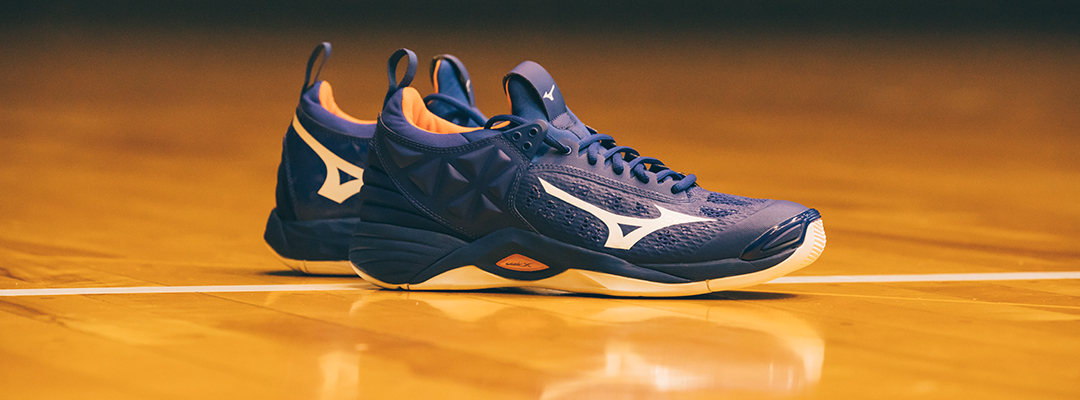
Image Source: live-bloginsider.mizunousa.com
Fathoming Sport-Specific Footwear
Think about cars. A race car is built for speed on a track. An off-road truck is built for rough trails. Both are vehicles, but they do very different jobs. Shoes are much the same. Each sport asks for certain kinds of movements. Shoes are made to help these movements and keep players safe. This is why sport-specific shoe design matters so much.
Basketball needs fast starts, sudden stops, and quick turns. Players jump high and land hard. They often slide sideways. Volleyball is also about jumping. But it has more shuffling steps and softer landings. The movements are often shorter and quicker. These differences mean the shoes must be built in special ways.
Examining Movement Needs: Volleyball vs. Basketball
Volleyball and basketball both play on hard indoor courts. Both sports have a lot of jumping. But the way players move is not the same. This means their shoes must give different kinds of support.
Volleyball Movement Patterns
Volleyball players do many jumps. They jump to serve, block, or spike the ball. They also move quickly from side to side. This is often called shuffling. They need shoes that let them jump high. They also need shoes that help them land softly. The shoes must also allow for quick side steps.
Here are key movements in volleyball:
- Vertical Jumps: Frequent and explosive. Players jump straight up.
- Lateral Shuffles: Fast side-to-side steps. They move along the net.
- Quick Bursts: Short, fast runs to get to the ball.
- Landing Softly: Players need to land safely after many jumps.
Volleyball shoes are often lighter. They have good spring for jumps. They also have good grip for quick stops and starts. This helps players change direction fast.
Basketball Movement Patterns
Basketball is a very active sport. Players run up and down the court. They stop fast. They change direction often. They jump for shots and rebounds. These moves put a lot of stress on the feet and ankles.
Key movements in basketball include:
- Sprinting: Fast running across the court.
- Sudden Stops: Players must stop their forward motion quickly.
- Pivoting: Turning on one foot. This happens many times in a game.
- Explosive Jumps: For shooting, rebounding, and blocking.
- Lateral Cuts: Fast changes in direction while running.
- Heavy Landings: Players often land hard after jumping.
Basketball shoes must be strong. They need to protect the feet and ankles. They also need to give great grip for fast moves.
Appraising Key Shoe Features
Let’s look at how volleyball shoes and basketball shoes are built. We will compare their main parts. This shows why they are made for different sports.
Ankle Support Differences
This is one of the biggest differences. Ankle support differences are very important for safety.
Volleyball Shoes: Most volleyball shoes are low-cut or mid-cut. This means they do not go high up the ankle. They are made to give players lots of movement. This helps with fast jumps and quick shuffles. They focus on flexibility. They want players to have free movement. This helps with quick reactions. But this also means less hard support around the ankle.
Basketball Shoes: Basketball shoes often have a higher cut. They can be mid-cut or high-cut. This means they go higher up the ankle. They are built to give more firm support. This helps protect the ankle during quick turns and hard landings. Players in basketball put huge forces on their ankles. This happens when they cut fast or land off balance. The extra support helps stop the ankle from twisting or rolling. This lowers injury risk.
Without proper ankle support differences, using volleyball shoes for basketball puts your ankles at risk. Basketball players make very sudden moves. These moves can easily cause ankle sprains if the shoe does not give enough support.
Court Traction Comparison
The grip on the bottom of the shoe is very important. This is called traction. The court traction comparison shows how the soles are made for each sport.
Volleyball Shoes: Volleyball shoes have soles made for fast stops and quick changes. Their grip pattern is often made for multi-directional movement. This means they help grip in any direction. The rubber is usually softer. This helps grip the smooth indoor court floor. This soft rubber helps with short, explosive bursts. But it can wear out faster on rougher surfaces.
Basketball Shoes: Basketball shoes also need great grip. Their sole patterns are often more aggressive. They are made for very hard stops. They also help with quick pivots. The rubber used is often tougher. This helps it last longer. It must stand up to quick stops and pushes. These moves put a lot of force on the shoe. Basketball shoes need to grip firmly to prevent slipping. This is key for indoor court performance. Without good traction, players can slip and fall.
Using volleyball shoes for basketball means you might not have enough grip. This makes slipping more likely. It also makes quick stops harder.
Lateral Stability
Lateral stability means how well the shoe keeps your foot steady during side-to-side moves. This is vital in both sports. But the way it’s done is different.
Volleyball Shoes: Volleyball shoes give good lateral support. This is needed for side shuffles along the net. They often have outriggers. These are parts that stick out a bit on the side of the shoe. They help stop the foot from rolling over. They are made to help stop quick, short bursts of sideways movement.
Basketball Shoes: Basketball shoes need very strong lateral stability. This is for intense side-to-side cuts and turns. They often have wider bases. They also have stronger side walls. These features stop the foot from sliding over the edge of the shoe. This is very important when a player runs fast and then suddenly changes direction. A lack of lateral stability can lead to ankle rolls. This is a common injury risk in basketball. Basketball shoes are built to stand up to very strong side forces.
Volleyball shoes might not offer enough lateral stability for basketball’s intense cuts. Your foot might roll over the edge of the shoe. This can cause an ankle injury.
Jump Impact Absorption and Midsole Cushioning
Both sports have a lot of jumping. So, jump impact absorption is key for both types of shoes. The midsole cushioning is what makes this happen.
Volleyball Shoes: Volleyball shoes have good cushioning. It is made for repeated vertical jumps. Players jump straight up and land on their feet. The cushioning helps soak up the shock. This protects the knees and back. The focus is on spring for takeoff and softness for landing. They need to feel light and bouncy.
Basketball Shoes: Basketball shoes also have great cushioning. But they are made for harder, more explosive jumps. Players often jump, land, and then quickly move again. The cushioning system is often more robust. It is built to handle higher forces. They protect against powerful landings. This is especially true in the forefoot and heel. This stronger cushioning helps soak up the shock from fast, powerful landings. It also helps with quick pushes for the next move. This is part of lowering injury risk from constant hard impacts.
Using volleyball shoes for basketball might mean less protection. Hard landings in basketball could put more stress on your joints. This is because the cushioning might not be strong enough.
Sole Durability
Sole durability refers to how long the bottom of the shoe lasts.
Volleyball Shoes: Volleyball shoe soles are often made of softer rubber. This gives excellent grip on indoor courts. This softer rubber can wear down faster. Especially if used for movements it was not designed for. They are not made for the rough slides and scrapes of basketball.
Basketball Shoes: Basketball shoe soles are made to be tough. They stand up to a lot of wear and tear. They must handle the hard braking and turning of basketball. The rubber is often harder. This makes it last longer. It also protects against quick, rough movements on the court. Good sole durability means the shoe will last many games.
Using volleyball shoes for basketball can wear them out fast. The softer rubber will not last long against basketball’s aggressive play. This lowers their sole durability.
Footwear Versatility
Some people look for footwear versatility. They want one shoe for many things. But when it comes to sports, this is often not a good idea.
Volleyball Shoes: These shoes are very good at their job: volleyball. They give the right mix of grip, spring, and support for volleyball. Trying to use them for other sports like basketball reduces their effectiveness. It also increases danger.
Basketball Shoes: These shoes are built for the intense demands of basketball. They provide specific support and cushioning. They also give strong lateral stability. They are not very versatile for other sports. For example, they might feel too heavy or stiff for volleyball.
Trying to get footwear versatility by using volleyball shoes for basketball will likely lead to problems. The shoes won’t perform well. You also face a higher injury risk.
Summarizing Shoe Differences
Here is a quick look at how the shoes compare:
| Feature | Volleyball Shoes | Basketball Shoes |
|---|---|---|
| Ankle Support | Low to mid-cut, focus on flexibility | Mid to high-cut, focus on firm ankle protection |
| Court Traction | Soft rubber, multi-directional grip for quick shuffles | Harder rubber, aggressive patterns for hard stops & pivots |
| Lateral Stability | Good for quick, short side moves (outriggers) | Very strong for intense cuts & fast direction changes |
| Jump Impact Absorption | Cushioned for repeated vertical jumps | Robust cushioning for powerful landings & explosive moves |
| Sole Durability | Softer rubber, good for smooth courts, less robust | Harder rubber, built for heavy court contact, long-lasting |
| Footwear Versatility | Less versatile, specialized for volleyball | Less versatile, specialized for basketball |
The Risks of Using the Wrong Shoes
Using volleyball shoes for basketball is not a good idea. There are several clear risks.
Increased Injury Risk
This is the biggest concern. Injury risk goes up a lot.
- Ankle Sprains: Volleyball shoes do not give enough ankle support for basketball. Basketball players do many sharp cuts and quick turns. They also land from high jumps. These moves can cause ankle rolls. A low-cut volleyball shoe offers little to no protection here.
- Knee Pain: The midsole cushioning in volleyball shoes might not be enough for basketball. Basketball players land harder and more often. This added stress can hurt your knees over time. It can also hurt your hips and back.
- Slips and Falls: The court traction comparison showed different grip patterns. Volleyball shoes might not grip hard enough for fast basketball stops. This can make you slip and fall. Falls can lead to many kinds of injuries. These include twisted ankles or even broken bones.
- Foot Pain: The shoes might not have the right support for the basketball moves. This can lead to arch pain or foot soreness.
Poor Indoor Court Performance
Your game will suffer. You won’t play your best.
- Lack of Grip: You cannot stop or change direction fast enough. This makes you slower. It makes it harder to guard someone. It also makes it harder to get to the basket. Your indoor court performance will be low.
- Reduced Speed: The shoes might not help you push off well. This can make you slower when running.
- Less Confidence: If you worry about slipping or hurting yourself, you won’t play as hard. This affects your whole game.
Faster Wear and Tear
Your shoes will wear out quickly. The sole durability of volleyball shoes is not meant for basketball.
- Sole Breakdown: The softer rubber on volleyball shoes will wear away fast. Basketball’s harsh movements will tear it up.
- Cushioning Loss: The cushioning will break down faster. This means less protection for your joints. The shoes will quickly lose their spring.
You will spend more money replacing shoes. It is cheaper and safer to buy the right shoes in the first place.
When It Might Be Okay (Limited Use/Low Intensity)
There are very few times when using volleyball shoes for basketball might be “okay.”
- Very Casual Play: If you are just shooting hoops by yourself. Or playing a very slow, non-competitive game. A game where no one is running fast or jumping hard. In these rare cases, the risks are lower.
- Emergency Only: If you have absolutely no other shoes. And it’s for a very short, light activity. This is still not ideal.
But even in these cases, it is still not recommended. The shoes are simply not made for the sport. You still face some injury risk.
The Verdict: Why Sport-Specific Is Best
In sports, having the right gear is very important. Shoes are a key part of your gear. They protect you. They also help you play your best.
- Safety First: The main reason to use basketball shoes for basketball is safety. They give the correct ankle support differences. They offer strong lateral stability. They have proper jump impact absorption and midsole cushioning. All these things lower your injury risk.
- Better Performance: The right shoes help you move better. You will have better court traction comparison. You will be able to stop faster and jump higher. This improves your indoor court performance.
- Longer Lasting Gear: Basketball shoes are built tough. Their sole durability is made for the game. They will last longer under the stress of basketball.
It is always best to use shoes made for the sport you are playing. This means using basketball shoes for basketball. And using volleyball shoes for volleyball. Do not try to make one shoe do two different jobs. Your safety and your game are worth getting the right shoes.
Frequently Asked Questions (FAQ)
H4 Can I wear basketball shoes for volleyball?
No, it is not ideal. Basketball shoes are heavier and stiffer. They have very high ankle support. This can limit your quickness and vertical jump. Volleyball shoes are lighter. They give more spring for jumping. They also allow for faster side-to-side moves. Using basketball shoes for volleyball is less risky than the other way around. But it still affects your indoor court performance. It might also make you tired faster.
H4 What happens if I use the wrong shoes for my sport?
Using the wrong shoes raises your injury risk. You might sprain an ankle, hurt your knees, or slip. Your performance will also suffer. The shoes won’t give the right court traction comparison. They won’t have enough lateral stability. They also won’t have the right jump impact absorption or midsole cushioning. Plus, the shoes will wear out much faster. This lowers their sole durability.
H4 What are the most important features of a good basketball shoe?
A good basketball shoe needs strong ankle support differences. It needs excellent lateral stability for sharp cuts. It also needs robust midsole cushioning for hard landings. The outsole must have superb court traction comparison for quick stops and starts. All these features work together. They make a shoe with the right sport-specific shoe design.
H4 Are there any shoes good for both basketball and volleyball?
No, there are no shoes truly good for both. Each sport has unique demands. Shoes are designed with sport-specific shoe design. This means they help with specific moves and protect against specific injuries. Trying to find footwear versatility in one shoe for these two sports is not recommended. It will not give you the best safety or performance.
H4 How often should I replace my basketball or volleyball shoes?
This depends on how often you play and how hard. If you play often, you might need new shoes every 3-6 months. Look at the sole durability. If the tread is gone, or the cushioning feels flat, it’s time for new shoes. Worn-out shoes offer less midsole cushioning. They also give less ankle support differences. This increases your injury risk.