What is the most crucial piece of equipment for a basketball game besides the ball and hoop? It’s the scoreboard, and knowing how to work a scoreboard for basketball is vital for a smooth and enjoyable game. Can you imagine a game without one? It would be chaos! Who is responsible for the scoreboard? Typically, it’s a dedicated scorekeeper, but understanding the basics is helpful for coaches, referees, and even engaged fans.
Working a basketball scoreboard might seem complicated at first, but it’s really about mastering a few key functions and understanding the flow of the game. This guide will walk you through everything you need to know, from the basic scorekeeping basics to the finer points of basketball game management. We’ll cover how to run a basketball clock, read a basketball scoreboard, and decipher basketball timing.
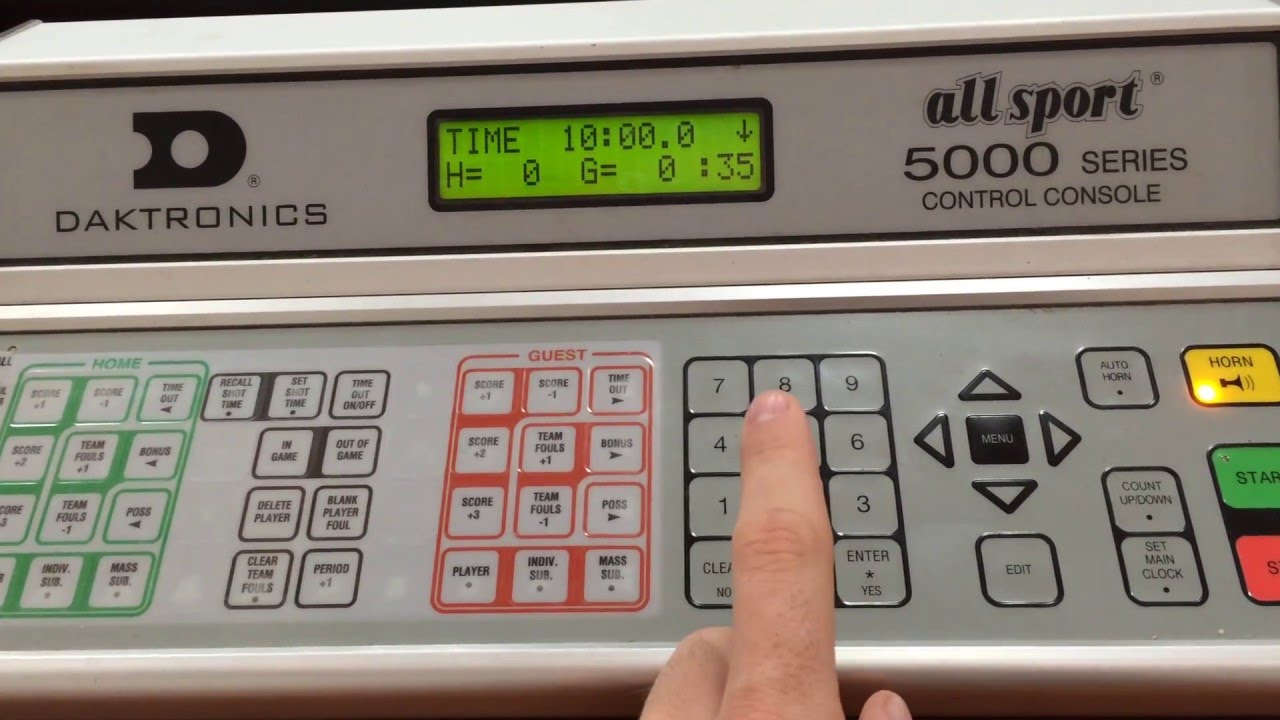
Image Source: i.ytimg.com
Grasping the Basics: The Core Functions of a Basketball Scoreboard
At its heart, a basketball scoreboard is designed to display essential game information clearly. This includes the score for each team, the time remaining in the period, and often other critical game data. Modern scoreboards are digital, but the principles remain the same as older mechanical ones.
The Basketball Game Display: What You Need to See
A typical basketball game display will show:
- Team Scores: Usually two large numbers, one for each team. These are updated with every successful basket.
- Period/Quarter: Indicates which quarter or period of the game is currently being played (e.g., 1st, 2nd, 3rd, 4th, or sometimes overtime periods).
- Game Clock: This is the countdown timer showing how much time is left in the current period. This is central to basketball game clock operation.
- Shot Clock: A separate timer that shows how much time a team has to shoot after gaining possession. This is crucial for offensive pacing.
- Possession Arrow: This small indicator shows which team has possession of the ball. This is an important part of basketball possession arrow rules.
- Fouls: Some scoreboards display team fouls or player fouls, aiding in basketball game management.
Basketball Scorekeeping Basics: More Than Just Numbers
Scorekeeping involves more than just entering points. It’s about accurately tracking the game’s progression and ensuring fair play. This includes:
- Starting and Stopping the Clock: This is perhaps the most critical function. The clock must be stopped for fouls, out-of-bounds plays, timeouts, and violations.
- Updating Scores: Each time a basket is made (2 points or 3 points) or a free throw is made (1 point), the score must be updated immediately.
- Tracking Fouls: Keeping track of personal and team fouls is essential for determining when players or teams are in penalty situations.
- Managing Possessions: Using the possession arrow correctly ensures the correct team starts with the ball after a jump ball or held ball situation.
Deciphering Basketball Timing: The Heartbeat of the Game
Accurate timekeeping is paramount in basketball. The game clock dictates the pace and strategy. Let’s dive into the nuances of basketball timing.
How to Run a Basketball Clock: Key Scenarios
Running the basketball clock requires constant vigilance and quick reactions. Here’s a breakdown of when to start and stop it:
When to Start the Clock:
- On a throw-in: Once the ball is touched by an offensive player on the court.
- On a free throw rebound: If the ball is legally touched by a player of either team on the court.
- After a made basket: When the ball is given to the scoring team for a throw-in.
When to Stop the Clock:
- Fouls: Any personal or technical foul called.
- Violations: Travel, double dribble, out-of-bounds, etc.
- Timeouts: Called by either team or by officials.
- Substitutions: When an official signals for a substitution.
- Jump Ball Situations: When the ball is legally held by players from opposing teams.
- End of Period: The clock stops when time expires.
- Injuries: If a player is injured and play must stop.
Using a Shot Clock: The Offensive Countdown
The shot clock is a vital component for modern basketball, preventing teams from holding the ball indefinitely.
- Standard Timing: In most leagues, the shot clock is 24 seconds. A team must attempt a shot that hits the rim within 24 seconds of gaining possession.
- Resetting the Shot Clock: The shot clock resets to 24 seconds (or the relevant time for the league) under specific conditions:
- When a shot hits the rim and the offensive team retains possession.
- When there is a foul or violation by the defensive team.
- After a change of possession (e.g., steal, rebound by the opponent).
- No Reset: The shot clock does not reset if the offensive team:
- Shoots and misses, and retains possession.
- Is fouled by the defense, but the shot goes in.
- Commits a violation.
- Indicating the Shot Clock: The shot clock operator must be aware of when possession changes and when a shot attempt is made. An audible beep or visual signal alerts players when the time is up.
Navigating the Controls: Basketball Scoreboard Buttons
Modern electronic scoreboards come with a control console. Familiarizing yourself with these basketball scoreboard buttons is key. While designs vary, common buttons include:
- Score Increment/Decrement: Buttons to add or subtract points for each team.
- Period/Quarter: Buttons to advance to the next period or reset the period.
- Game Clock Start/Stop: The primary buttons for controlling the main game clock.
- Shot Clock Reset/Start: Buttons to operate the shot clock.
- Timeout Buttons: Dedicated buttons to signal and track timeouts for each team.
- Foul Buttons: Buttons to record team or player fouls.
- Possession Arrow Toggle: A button to switch the possession arrow.
- Horn/Siren: Many consoles have a built-in horn for signaling the end of periods or quarters.
Practicing with the Controls
Before a game, spend time with the specific scoreboard you’ll be using. Get a feel for the button layout and practice common sequences. This will build muscle memory and reduce errors during the game.
Reading a Basketball Scoreboard: Interpreting the Data
Being able to read a basketball scoreboard is essential for everyone involved.
Key Information to Note
- Current Score: Always the most prominent. Check it frequently to ensure it’s accurate.
- Time Remaining: Crucial for understanding game situations and for players and coaches to strategize.
- Period: Knowing which period you’re in helps manage the game flow.
- Shot Clock Status: An active shot clock indicates an offensive possession is in progress.
- Foul Count: Observing team fouls helps anticipate bonus situations.
Advanced Scorekeeping: Enhancing Basketball Game Management
Effective scorekeeping goes beyond basic updates; it’s a vital part of overall basketball game management.
The Scorekeeper’s Role in Game Flow
The scorekeeper is an official participant in the game’s smooth operation.
- Communication: Clear and timely communication with referees and officials is vital, especially regarding clock stoppages, fouls, and timeouts.
- Anticipation: A good scorekeeper anticipates the next action. For example, knowing when a foul might lead to free throws or when a timeout is about to be called.
- Accuracy: Double-checking the score and clock after every play can prevent disputes and ensure fairness.
Managing Timeouts and Substitutions
- Timeout Signals: When a coach calls a timeout, the scorekeeper must immediately signal the referee and stop the game clock. They also need to track which team called the timeout and how many they have remaining.
- Substitution Signals: When players are substituted, the scorekeeper notes the change and ensures the player entering the game is eligible.
The Basketball Possession Arrow in Detail
The possession arrow is a simple but effective tool to resolve jump ball situations.
- How it Works: The arrow points towards the basket that the team with possession will shoot at. After a jump ball or held ball, the team the arrow points to gains possession.
- Alternating Possession: In subsequent alternating possession situations, the arrow is flipped by the scorekeeper (usually after a throw-in).
Common Scorekeeping Challenges and Solutions
Even with practice, challenges can arise.
Potential Pitfalls:
- Forgetting to Stop the Clock: This is the most common error and can significantly impact the game.
- Incorrect Score Updates: Missing a basket or adding points incorrectly.
- Shot Clock Mismanagement: Not resetting the shot clock when required or letting it expire unintentionally.
- Foul Tracking Errors: Inaccurate foul counts can lead to players fouling out prematurely or teams not being in the penalty when they should be.
Solutions:
- Rings and Reminders: Some scorekeepers use a rubber band on their wrist or a small tab on their finger to remind them to stop the clock.
- Second Scorekeeper: For more critical games, having two scorekeepers can allow for cross-checking.
- Pre-Game Checklist: Ensure the scoreboard is set up correctly, the clock is zeroed out, and the period is set to 1.
- Constant Observation: Always watch the game. Don’t get distracted by conversations or other activities.
- Clear Signals: Develop clear, understood signals with the referees for clock stoppages and other game events.
Putting It All Together: A Checklist for Success
To ensure you’re ready to work a scoreboard for basketball like a pro:
Pre-Game Preparations:
- [ ] Familiarize yourself with the specific scoreboard model.
- [ ] Test all buttons and functions.
- [ ] Set the game clock to the correct starting time (e.g., 12, 15, or 20 minutes per quarter).
- [ ] Ensure the period is set to 1.
- [ ] Check the shot clock settings.
- [ ] Confirm you have the correct team names entered, if applicable.
- [ ] Establish clear communication signals with the referees.
During the Game:
- [ ] Start and stop the game clock precisely as needed.
- [ ] Update scores immediately after baskets are made.
- [ ] Manage the shot clock diligently.
- [ ] Track team and player fouls accurately.
- [ ] Maintain the basketball possession arrow correctly.
- [ ] Keep track of timeouts for each team.
- [ ] Communicate any discrepancies or questions to the officials calmly and clearly.
- [ ] Be prepared for unexpected situations.
Post-Game Responsibilities:
- [ ] Ensure the final score is correct.
- [ ] Log the final score and any relevant game statistics if required.
- [ ] Turn off the scoreboard if necessary.
Frequently Asked Questions (FAQ)
Q1: How do you start the game clock in basketball?
A1: You start the game clock when the ball is legally touched by a player on the court during a throw-in after a stoppage.
Q2: When should the shot clock be reset in basketball?
A2: The shot clock is reset to 24 seconds (or the relevant time) after a shot hits the rim, if the offensive team retains possession, or after a foul or violation by the defense.
Q3: What does the possession arrow mean in basketball?
A3: The possession arrow indicates which team is entitled to possession of the ball in alternating possession situations, typically after a jump ball or held ball. It points to the basket the team will shoot at.
Q4: What are the most common mistakes a scorekeeper makes?
A4: The most common mistakes include failing to stop the game clock when necessary, updating the score incorrectly, and mismanaging the shot clock.
Q5: How many points are awarded for a free throw?
A5: A free throw is worth one point.
By diligently following these tips and practicing the core functions, you’ll be well-equipped to work a basketball scoreboard effectively, contributing significantly to the smooth and enjoyable progression of any game.