The question of how much basketball officials get paid varies significantly based on the level of play, experience, and the specific league or organization. In general, a high school basketball referee might earn anywhere from $50 to $150 per game, while NCAA referees can make several hundred dollars per game, and NBA officials command significantly higher salaries, often in the six-figure range annually.
Navigating the world of basketball officiating can be a rewarding experience, not just in terms of contributing to the game but also financially. Many individuals are drawn to the sport’s fast pace and the opportunity to remain close to the action, but the financial aspect is also a considerable factor. So, what exactly does a basketball official take home for their efforts? This in-depth exploration aims to shed light on the basketball official income across various levels, from local gyms to the brightest professional stages. We will delve into the basketball referee salary, basketball umpire pay, and the intricacies of the referee pay scale basketball uses.
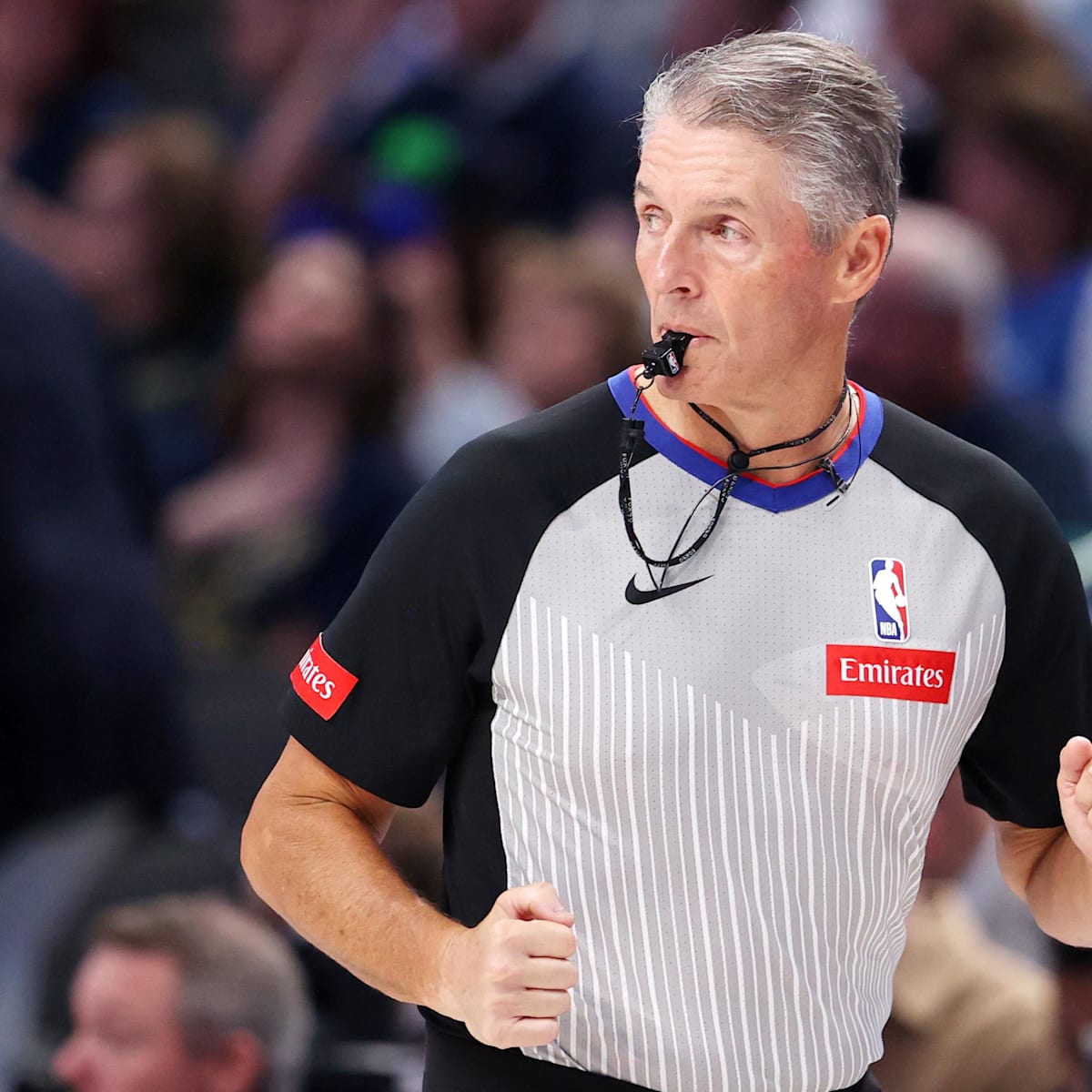
Image Source: images2.minutemediacdn.com
Deciphering Referee Compensation: Factors at Play
Several key elements contribute to the compensation package for basketball officials. It’s not simply a flat rate per game; rather, it’s a complex structure influenced by numerous variables.
Experience and Skill Level
Like many professions, experience matters. Newer officials, or those working at lower levels, will typically earn less than seasoned veterans who have honed their skills over many years and officiated at higher-stakes games. Demonstrated proficiency, a deep understanding of the rulebook, and the ability to manage games effectively are all qualities that command higher pay.
League and Governing Body
The prestige and financial standing of the league or governing body directly impact what officials are paid. Professional leagues, with their lucrative broadcasting deals and sponsorships, can afford to pay their officials substantially more than amateur or youth leagues.
Game Type and Duration
The length of a game, the importance of the matchup, and even the type of tournament can influence pay. Championship games or high-profile matchups often come with increased compensation.
Travel and Expenses
For officials who travel to different venues, compensation often includes reimbursement for travel expenses, lodging, and meals. This adds another layer to their overall income.
Unionization and Contracts
In some professional leagues, officials are part of unions that negotiate collective bargaining agreements. These agreements set specific salary ranges, benefits, and working conditions, ensuring a structured approach to NBA official compensation and similar professional tiers.
Basketball Referee Salary Across Different Levels
Let’s break down what basketball officials can expect to earn at various stages of the game.
High School Basketball Official Pay
High school basketball is often the entry point for aspiring referees. The pay here is generally modest, reflecting the amateur nature of the sport at this level.
Typical Earnings
- Per Game: High school referees typically earn between $50 and $150 per game. This rate can fluctuate based on the state, the specific school district or athletic association, and the level of competition (e.g., freshman, JV, varsity).
- Annual Income: For officials who work consistently throughout the season, which usually spans a few months, their annual income from high school officiating might range from $2,000 to $5,000. This is often supplementary income for many individuals.
- Factors Influencing Pay:
- State Associations: Each state high school athletic association sets its own guidelines for official pay.
- School District Budgets: Wealthier districts might offer slightly higher rates.
- Experience: More experienced high school officials may be assigned to varsity games and command slightly higher pay.
- Number of Games: The more games an official works, the higher their potential earnings.
Minor League Basketball Official Salary
Minor league basketball, such as the NBA G League or other developmental leagues, offers a step up in pay and professionalism compared to high school.
Earnings Snapshot
- Per Game: Officials in minor leagues might earn between $150 and $300 per game.
- Annual Potential: With a longer season and more games than high school, a dedicated minor league official could potentially earn $10,000 to $20,000 annually, depending on the league and the number of assignments.
- Growth Opportunities: These leagues are often seen as a proving ground for officials aiming to advance to higher levels, like the NBA. Consistent strong performance can lead to better assignments and increased pay.
NCAA Basketball Ref Earnings
The National Collegiate Athletic Association (NCAA) is a significant step up, with higher stakes and more intense competition. This translates to better compensation for its officials.
Compensation Details
- Per Game Rates: NCAA Division I referees can earn anywhere from $600 to $1,500 per game. The exact amount often depends on the conference and the visibility of the game. Games involving top-tier programs or nationally televised matchups tend to pay more.
- Annual Income: For officials who work a full schedule of games, including conference tournaments and potentially the NCAA Championship, their annual income can reach $40,000 to $80,000 or more. This figure can be higher for elite officials who also work exhibition games or non-conference matchups.
- Conference Variations: Different NCAA conferences have their own pay scales. Power Five conferences (like the ACC, Big Ten, Big 12, Pac-12, and SEC) generally offer the highest rates.
- Tournament Bonuses: Post-season tournaments, including conference championships and the NCAA Tournament itself, often come with increased per-game rates or bonuses, boosting overall earnings.
WNBA Referee Pay
The Women’s National Basketball Association (WNBA) provides professional-level opportunities for women’s basketball officiating. While historically the pay might have lagged behind the NBA, it has seen steady growth.
WNBA Compensation
- Per Game: WNBA referees can expect to earn between $1,000 and $2,000 per game.
- Annual Estimates: An official working a full WNBA season and playoffs could see their earnings range from $50,000 to $75,000 annually.
- Contractual Agreements: Like their NBA counterparts, WNBA officials often work under contracts negotiated by their union, which dictates salary structures and benefits.
NBA Official Compensation
The National Basketball Association (NBA) represents the pinnacle of professional basketball officiating. The compensation here is significantly higher than at any other level.
NBA Salary Structure
- Annual Salaries: NBA referees do not primarily earn per game; instead, they receive an annual salary. This salary typically starts in the range of $150,000 to $350,000 for newer officials.
- Veteran Referees: Highly experienced and respected NBA officials can earn upwards of $500,000 or even more annually. The highest-paid officials can potentially earn close to $1 million per year.
- Benefits: Beyond salary, NBA officials typically receive comprehensive benefits packages, including health insurance, retirement plans, and sometimes housing allowances during the season.
- Performance Incentives: While not always publicly disclosed, there can be performance-based incentives or bonuses tied to playoff assignments and overall game management.
- Rigorous Selection: Becoming an NBA official is incredibly competitive, requiring years of experience in lower leagues, exceptional skills, and a proven track record of consistent performance. The NBA official compensation reflects this high level of expertise and responsibility.
Understanding the Referee Pay Scale Basketball Uses
The referee pay scale basketball employs is not a single, universal chart but rather a tiered system that progresses with experience and the level of competition.
Tiered Progression
- Entry-Level (Youth/Recreational): Lowest pay, often volunteer or minimal stipends.
- High School: Modest per-game rates, often on a state-by-state basis.
- Amateur/Club Leagues: Varies widely, often higher than high school but below college.
- Minor Professional Leagues (e.g., G League): Decent per-game rates, serving as a stepping stone.
- NCAA Divisions (II, III, I): Increasing per-game rates, with Division I being the highest among collegiate levels.
- Professional Leagues (WNBA, NBA): Annual salaries and top-tier per-game rates, with the NBA at the apex.
Factors Within the Scale
- Years of Service: Officials accumulate seniority, which can influence assignments and pay.
- Performance Reviews: Regular evaluations by supervisors and league officials play a crucial role in career progression and compensation adjustments.
- Conference Assignments: Within college, assignments to more prestigious conferences usually mean higher pay.
- Post-Season Assignments: Successfully officiating playoff games or championships at any level typically carries a higher rate.
The Economic Realities of Officiating
It’s important to view the basketball official income in its entirety. For many, especially at the high school and lower levels, officiating is a part-time endeavor.
Supplementary Income
Many high school and even some college officials hold full-time jobs elsewhere. Officiating serves as a way to earn extra money, stay involved in the sport they love, and enjoy the excitement of competition.
Full-Time Careers
For those aiming for professional leagues like the NBA or WNBA, officiating can become a full-time career. This requires dedication, extensive travel, and a willingness to be away from home frequently. The financial rewards at these top levels can be substantial, supporting a comfortable living.
Investment in Equipment and Training
While pay is a consideration, aspiring and current officials also invest in their craft. This includes purchasing necessary equipment (whistles, stopwatches, uniforms), attending training camps, and staying updated on rule changes and mechanics. These are often out-of-pocket expenses.
The Art and Skill of Basketball Officiating
The pay reflects not just the time spent on the court but also the considerable skill, judgment, and mental fortitude required to be an effective basketball official.
Rulebook Mastery
Officials must have an encyclopedic knowledge of the rulebook and be able to apply it consistently and fairly in real-time.
Game Management
Beyond just calling fouls, officials are responsible for managing the flow of the game, de-escalating tensions between players and coaches, and ensuring a safe and orderly environment. This requires strong communication and psychological skills.
Physical Demands
Officiating requires a high level of physical fitness. Officials must be able to keep up with the pace of play, often for several hours, and maintain focus throughout.
Decision-Making Under Pressure
The ability to make split-second decisions in high-pressure situations, often with thousands of fans watching and with significant implications for the game’s outcome, is paramount. This mental toughness is a key component of their value.
Pursuing a Career in Basketball Officiating
For those interested in the basketball officiating rates and considering a career, here’s a general path:
- Start Local: Begin by officiating youth leagues, recreational leagues, and eventually high school games.
- Get Certified: Most states and organizations require certification, which often involves passing written tests and demonstrating practical skills.
- Join an Association: Becoming part of a local or regional officiating association provides mentorship, networking opportunities, and access to assignments.
- Attend Clinics and Camps: Continuous learning through clinics and training camps is essential for improving skills and staying current with rule changes.
- Seek Advancement: Demonstrate consistent performance and a strong work ethic to be considered for higher-level assignments in college or professional leagues.
Frequently Asked Questions About Basketball Official Pay
How much does an NBA referee make per game?
While NBA referees receive an annual salary, their compensation structure is not typically broken down on a per-game basis in the same way as lower levels. However, their annual salaries, which can range from $150,000 to over $500,000, effectively mean they are earning thousands of dollars per game when the season’s games are factored in.
Is basketball officiating a good career choice?
For individuals passionate about basketball, possessing strong decision-making skills, and enjoying a dynamic work environment, officiating can be a fulfilling career. The income potential at the professional level is substantial, but it requires significant dedication and a long-term commitment. For many, it remains a well-compensated part-time activity.
How does experience affect basketball referee pay?
Experience is a major driver of pay. As officials gain more experience, demonstrate consistent performance, and officiate at higher levels of competition, their earning potential increases significantly. Veteran officials are often assigned to more important games and command higher rates or salaries.
Do college basketball referees get paid more than professional referees?
No, professional basketball referees, particularly in the NBA, earn significantly more than college basketball referees. While NCAA Division I officials have strong earning potential, the salaries and overall compensation for NBA officials are substantially higher.
What are the requirements to become a basketball official?
Requirements vary by league and organization, but generally include a thorough knowledge of basketball rules, good judgment, physical fitness, strong communication skills, and often, formal training and certification. Many aspiring officials begin by joining local officiating associations.