Many people wonder if they can play basketball after knee replacement surgery. The short answer is usually no. High-impact sports like basketball are not often advised after a total knee replacement (TKR). These activities put great stress on your new knee. This can wear out the implant faster. It can also lead to more problems. But each person is different. You must talk to your surgeon. Your doctor knows your case best. They can give you the right advice for you. This article will help you learn more. It looks at the facts about playing basketball with a new knee.
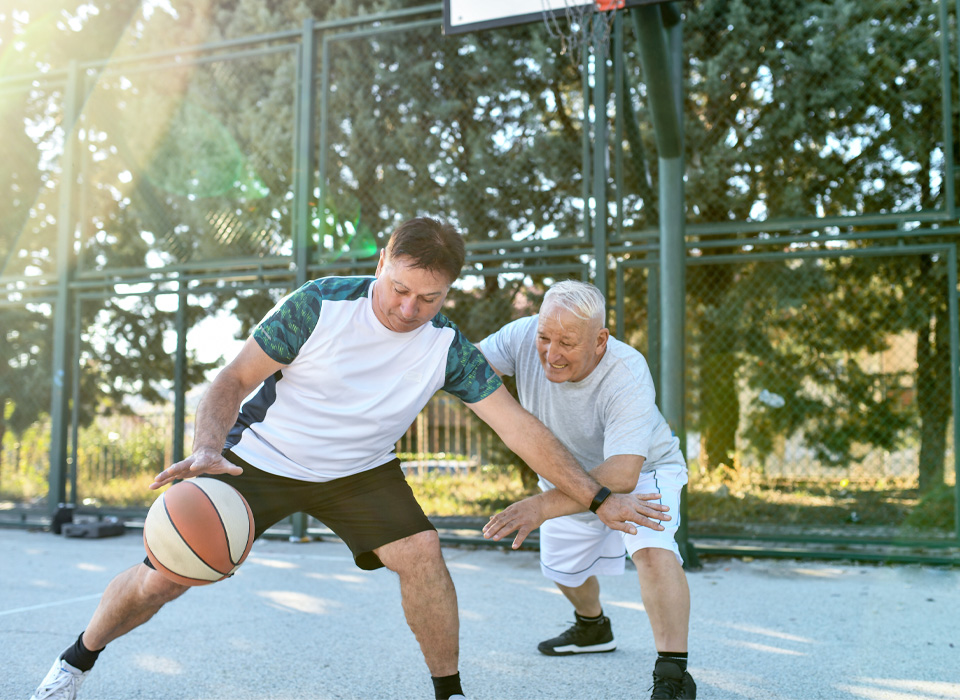
Image Source: www.orthovirginia.com
The New Knee and What It Means for Sports
Your knee works hard every day. It helps you walk, run, and jump. When your knee hurts a lot, a doctor might suggest a total knee replacement. This surgery helps many people. It takes away pain. It helps them move better.
What is a Total Knee Replacement (TKR)?
A TKR is a big surgery. Doctors replace your bad knee parts. They use special parts made of metal and plastic. These parts act like a new, smooth knee joint. This helps stop the pain from worn-out bones. It lets your knee bend and straighten with less hurt. The goal is to make your life better. You can do daily things more easily.
How Your New Knee Works
The new parts are strong. They are made to last a long time. But they are not as strong as your natural bone and cartilage. They cannot fix themselves. Your new knee is good for many things. It is great for walking. It helps you climb stairs. It lets you do light exercise.
General Sports Advice After TKR
Doctors have clear rules for sports after TKR. They want your new knee to last. They want you to stay safe. They group sports into different levels of impact.
- Low-impact sports: These are good choices. They put little stress on your knee. Examples are swimming, cycling, and walking.
- Moderate-impact sports: Some people can do these. They put some stress on your knee. Examples include doubles tennis or light hiking.
- High-impact sports: Doctors usually say no to these. They put a lot of stress on your knee. Basketball is a high-impact sport. So are running, jumping, and skiing.
The aim is to protect your new knee. We want it to stay strong for many years. Following these rules helps your knee last longer. It also keeps you safer from injury.
The Appeal of Basketball and Its Demands
Basketball is a fun sport. Many people love to play it. It is fast-paced. It needs many skills. But it also puts a lot of stress on your body. This is true for your knees.
Why People Love Basketball
Basketball offers a great workout. It builds strength. It helps with speed. People like the team play. They like the thrill of the game. For many, it is a big part of their life. They played it for years. They miss it after knee problems.
What Basketball Does to Your Knees
Think about how you play basketball. It is not just about shooting hoops. It involves many quick, strong moves.
Here are some key movements:
- Jumping: You jump for layups. You jump for rebounds. You jump when shooting. Each jump means landing. Landing sends a strong shock through your knee.
- Running and Sprinting: You run up and down the court. You sprint to get the ball. This is hard on your joints.
- Quick Stops and Starts: You stop fast. You then start running again. This twists your knee.
- Pivoting: You turn your body quickly. Your foot stays in place. Your knee twists hard.
- Side-to-Side Movements: You move left and right. This helps you guard a player. It also stresses your knee.
These moves make basketball a high-impact sport post knee replacement. They put huge forces on your knee. Your natural knee can handle some of this. But your new knee has different limits.
The Risks Involved
Playing basketball after knee replacement surgery carries real risks. These risks can harm your new knee. They can also hurt you.
What Happens to a Knee Implant During Basketball?
Your new knee parts are not alive. They cannot heal themselves. They are made of strong stuff. But they are not meant for hard impacts.
- Wear and Tear: Every jump and hard landing wears down the plastic part. Think of it like a car tire. The more miles you drive, the more it wears. High-impact sports are like driving very fast on rough roads. The plastic will wear out much quicker.
- Loosening: The new knee parts are fixed to your bones. They use a special cement. Or they grow into your bone. Strong impacts can make them loose. If an implant becomes loose, it causes pain. It means you might need another surgery. This is called a revision surgery. Revision surgeries are often harder. They may not work as well.
- Damage to the Implant: A very hard fall or twist can damage the implant itself. It might break. This is rare but serious.
- Fractures: The bones around the implant can break. This is because the implant is stiffer than your own bone. The stress from impacts can hurt your natural bone.
- Dislocation: While rare for knee replacements, a severe twist could cause parts to move out of place.
These risks playing basketball after knee surgery are important to know. They show why doctors are careful. They want to protect your health. They want your new knee to last.
What Surgeons Advise
Orthopedic surgeons are experts. They know about bones and joints. They know a lot about knee replacements. Most surgeons give clear advice about sports.
The General Consensus
Most surgeons agree on this point: high-impact sports like basketball are usually not a good idea after TKR. This is because of the points we just talked about. The concern is knee implant longevity basketball. They want your new knee to work well for as long as possible. High impacts shorten its life.
Why They Often Say No
Surgeons want to help you. They want you to be active. But they also want to keep you safe. They think about the long run.
- Protecting Your Investment: Your knee replacement is a big surgery. It is a big step to better health. Surgeons want to protect this “investment.”
- Avoiding Complications: They want to avoid problems. These include implant wear, loosening, or new breaks.
- No “Fix” for Wear: Once the plastic wears down, there is no easy fix. It means another surgery.
- Focus on Function: The main goal of TKR is to stop pain. It is to help you do daily tasks easily. It is not to let you do very hard sports.
Individual Assessment and Factors
Even with general rules, your case is unique. Your surgeon will look at many things.
- Your Age: Younger patients might have stronger bones. But they also put more stress on their knee over time. Older patients might have weaker bones.
- Your Fitness Level Before Surgery: If you were very active, you might recover faster. But your old habits might also lead you to push too hard.
- Bone Quality: Strong bones hold the implant better.
- Implant Type: Some implants are made a bit differently. But even the best ones have limits.
- How Well You Recover: Your rehab progress matters.
- Your Goals: Are you hoping for light play? Or full, competitive games?
This is why surgeon advice playing sports after knee replacement is so important. Do not guess. Do not listen to friends. Always ask your own doctor. They know what is best for your specific knee.
The Road Back: Rehabilitation
Getting your knee strong after surgery is a big job. It takes time. It takes hard work. This process is called rehabilitation. It is key to your recovery.
Importance of Structured Rehab
Rehab starts soon after surgery. A physical therapist will guide you. They are experts in movement. They help you get your strength back. They help you move better.
- Prevents Stiffness: Your knee can get stiff if you do not move it. Rehab exercises help keep it bending.
- Builds Strength: Your leg muscles get weak after surgery. Strong muscles support your new knee. They help you walk and balance.
- Improves Balance: Balance is key to not falling. Rehab includes exercises to make you steadier.
- Teaches Proper Movement: You learn how to move your new knee safely.
Phases of Rehabilitation
Rehab happens in steps. Each step builds on the last.
- Initial Healing (First few weeks):
- Focus: Less pain, swelling. Gentle movement.
- Exercises: Ankle pumps, knee bends while lying down. Light walking with help.
- Regaining Motion and Basic Strength (Weeks 3-12):
- Focus: Bend and straighten your knee more. Build basic leg strength.
- Exercises: Stationary bike (no resistance), wall slides, gentle leg lifts.
- Advanced Strengthening and Balance (Months 3-6):
- Focus: Make muscles much stronger. Improve balance.
- Exercises: Walking longer, stair climbing, light weights for legs. Balance exercises on one leg.
- Functional Activities and Sport-Specific Training (Months 6-12+):
- Focus: Get ready for daily life. Maybe light sports if approved.
- Exercises: More challenging balance drills. Low-impact cardio. Gentle dynamic moves.
This detailed plan shows why rehabilitation for basketball players knee replacement is so vital. It builds a strong base. But it usually does not include hard, quick moves. It aims for safe, daily function.
How Long Does Rehab Take?
Full recovery takes a long time. It can be 6 months. It can be a year or more. You need to follow your therapist’s plan. You must do your exercises at home. Rushing things can cause problems. It can hurt your new knee.
Jumping and Other Key Moves
Let’s look closer at jumping. It is a big part of basketball. It is also one of the riskiest moves for a new knee.
Can You Jump After Knee Replacement?
The answer is almost always no. You should not jump after a total knee replacement. Jumping puts huge force on your knee. When you land, your body weight plus the force of the fall hits your knee joint. This impact is like hitting your knee with a hammer.
Think about the forces:
- Impact Load: When you land from a jump, the force on your knee can be many times your body weight. For a 200-pound person, this could be 800-1000 pounds of force or more.
- Wear on Plastic: This force pushes hard on the plastic part of your new knee. It wears it down very fast.
- Stress on Bone: It also puts stress on the bone where the implant is attached. This can make the implant loose. It can also cause tiny cracks in the bone over time.
So, while your new knee might feel strong, it is not built for jumping. Can you jump after knee replacement? No, not safely, and not if you want your implant to last.
Pivoting and Quick Changes
Basketball also needs quick pivots. You spin around. Your foot stays on the ground. Your knee twists. This twisting motion is very bad for a new knee.
- Shear Forces: Twisting creates “shear forces.” These forces try to pull the implant apart from the bone. This makes loosening more likely.
- Risk of Dislocation: Though rare, a hard twist could even move parts of the implant out of place.
These quick, twisting moves are just as risky as jumping. They are why doctors advise against high-impact sports post knee replacement.
Considering a Return: If You Must
Some people still feel a strong urge to play. They might ask, “Can I play basketball after knee replacement, even a little?” This section looks at what to think about if you absolutely must try. But remember, this is a very risky path. It is rarely advised.
Talk to Your Surgeon Again and Again
Do not make this choice alone. You must have many talks with your surgeon. They need to know your exact goals. They will explain the risks clearly. They might even refuse to support it. This is because they want what is best for your knee’s health.
Modified Play: A Slight Possibility
If your surgeon agrees, and only after much time and progress, you might consider very modified play. This is not a game of basketball.
- Shooting Practice Only: Standing shots. No jumping. No running. Just light shooting.
- Light Passing Drills: Static, no movement.
- Non-Competitive: Absolutely no game play. No defense. No fast breaks. No jostling.
- Focus on Form: Slow, controlled movements.
This is a far cry from a real basketball game. It might not even feel like basketball to you. It’s more like a very gentle exercise.
The Role of a Custom Brace
Sometimes, a surgeon might suggest a special knee brace. This brace could offer some extra support. But a brace cannot stop the forces of jumping or twisting. It is not a magic shield. It offers only limited protection.
The Extreme Rarity of Full-On Return
Let’s be clear: a full return to basketball after TKR in a competitive way is almost unheard of. It goes against all medical advice. It carries a huge risk of needing another surgery very soon. You would be betting your implant’s life.
Think about it this way: Is a few minutes of basketball worth another painful, complex surgery? Most people would say no. Your knee replacement is there to make your life better. Not to put you back in pain.
Safer Alternatives
So, if basketball is mostly out, what can you do? There are many great ways to stay active. These ways protect your new knee. They help it last longer. They also keep you fit and healthy. These are the safe sports after knee arthroplasty.
Low-Impact Activities
These sports are generally excellent choices. They build strength. They improve heart health. They do not stress your knee.
- Swimming: This is perfect. The water supports your body. It takes all weight off your knee. You can swim laps. You can do water aerobics.
- Cycling (Stationary or Road): Cycling is smooth. It strengthens your leg muscles. A stationary bike at home is great. A road bike on flat paths is also good. Avoid hills and rough terrain.
- Walking: This is simple and effective. Start slow. Walk on flat, even ground. Build up your distance.
- Golf: This is a good option. Walking the course is healthy. The swing can be done gently. Avoid fast, twisting swings. Use a cart if you feel tired.
- Elliptical Trainer: This machine gives a smooth, gliding motion. It is like running but without the impact.
- Yoga or Pilates (Modified): These can build core strength and flexibility. Make sure to tell your instructor about your new knee. Avoid deep bends or twisting poses.
Moderate-Impact Activities
Some people can do these. But always talk to your surgeon first. Your doctor might say these are okay only after a full recovery.
- Doubles Tennis: This is less running and jumping than singles. You share the court. This lowers the stress.
- Brisk Walking or Light Hiking: On smooth paths. Avoid uneven ground or steep hills.
- Bowling: This is generally fine. The smooth movement is not too hard on the knee.
- Cross-Country Skiing: This is a gliding motion. It is lower impact than downhill skiing.
Comparing Moderate vs High Impact Sports Knee Replacement
Let’s look at the difference.
| Feature | High-Impact Sports (e.g., Basketball) | Moderate-Impact Sports (e.g., Doubles Tennis) |
|---|---|---|
| Forces on Knee | Very high, sudden forces (jumping, landing, cutting, pivoting) | Moderate, less sudden forces (walking, light turns) |
| Wear on Implant | Much faster wear of plastic parts; high risk of loosening | Slower wear; lower risk of loosening |
| Injury Risk | High risk of falls, fractures, implant damage | Lower risk of falls, injuries |
| Surgeon Advice | Generally NOT recommended | May be allowed for some, with caution and surgeon’s approval |
| Implant Longevity | Significantly reduces implant life | Preserves implant life longer than high-impact |
| Recovery Aim | Goes against primary goal of pain relief and long-term function | Aligns with goal of pain relief and maintaining active lifestyle |
This table makes the choice clear. You want your new knee to last. You want to avoid more surgery. Choosing lower or moderate impact sports helps you do that. These moderate vs high impact sports knee replacement choices are crucial.
Looking at the Future: Implant Longevity
The life of your new knee is important. You want it to last as long as possible. High-impact activities directly affect this.
How Impact Affects the Life of the Implant
Most knee replacements are designed to last 15 to 20 years. Some can last even longer. This is based on normal, daily use. It also assumes you do safe, low-impact activities.
- Every Impact Counts: Each jump, each hard landing, each quick pivot adds wear. It is like taking sandpaper to the plastic part. The more you do it, the faster it wears down.
- Micro-Motion: Impacts can cause tiny movements where the implant meets the bone. Over time, these tiny movements can make the implant loose.
- Debris: As the plastic wears, tiny bits break off. These bits can cause issues around the implant. They can trigger inflammation. They can even harm the bone.
Modern Implants vs. Older Ones
Newer knee implants are better. Materials are stronger. Designs are improved. But they still have limits. No implant is made for repeated, high-impact activities. They cannot replace the full strength and healing power of your natural knee. This is why knee implant longevity basketball is a serious concern. Playing basketball can easily cut the life of your implant in half.
The Trade-Off: Playing Basketball vs. Needing Another Surgery Sooner
This is the big choice. If you play high-impact basketball, you might get a few more games. But you greatly raise your risk. You might need another surgery in 5 or 10 years instead of 15 or 20. Revision surgery is often more complex. It has higher risks. Recovery is usually harder.
Think about the long view. Is a short return to basketball worth giving up many years of pain-free life with your new knee? Most people decide it is not. Focus on activities that keep your knee healthy for the long term. This lets you stay active for many more years. It lets you enjoy life without constant knee pain or worries about another surgery.
Frequently Asked Questions (FAQ)
Here are common questions people ask about playing sports after knee replacement.
Q1: How long after TKR can I start exercising?
A: You start gentle exercises right away. Your physical therapist will guide you. You will do more as you get stronger. Full recovery takes many months.
Q2: What are the absolute “no-no” sports after knee replacement?
A: High-impact sports are usually forbidden. These include running, jumping, basketball, soccer, football, and downhill skiing.
Q3: Can I return to golf after knee replacement?
A: Yes, golf is usually a safe sport. You can walk the course. You should use a smooth swing. Avoid hard, twisting motions. Talk to your surgeon first.
Q4: Will I set off metal detectors at the airport with my new knee?
A: Yes, your knee implant may set off metal detectors. Tell the security staff you have a new knee. You might get a special card from your doctor.
Q5: What if my knee hurts when I exercise?
A: Stop the activity right away. Rest your knee. Call your doctor if the pain continues or gets worse. Pain can be a sign of a problem.
Q6: Are there any exceptions for very athletic people?
A: Very rarely, a surgeon might allow extremely low-impact, modified versions of sports. This is after a very long recovery. It is only for very specific, controlled actions. But full competitive play is almost never allowed. The risks are too high.
Q7: How can I protect my knee during allowed activities?
A: Warm up before exercise. Stretch gently. Wear good, supportive shoes. Listen to your body. Do not push through pain. Follow your surgeon’s and therapist’s advice.
Q8: What is the main reason doctors do not want me to play basketball?
A: The main reason is wear on the implant. Basketball’s high impacts wear down the plastic parts. This makes your new knee fail sooner. It means you will need another surgery.
Q9: Can I ride a bike after knee replacement?
A: Yes, cycling is a great exercise. It is low-impact. It strengthens your legs. Start with a stationary bike. Then move to a road bike on flat ground.
Q10: What if I accidentally jump or twist my knee?
A: If this happens, watch for pain or swelling. If you have concerns, or if pain lasts, call your surgeon right away. They might want to check your knee.